Case file 104Weird History & Odd CustomsThe 1800s

The Last Duel

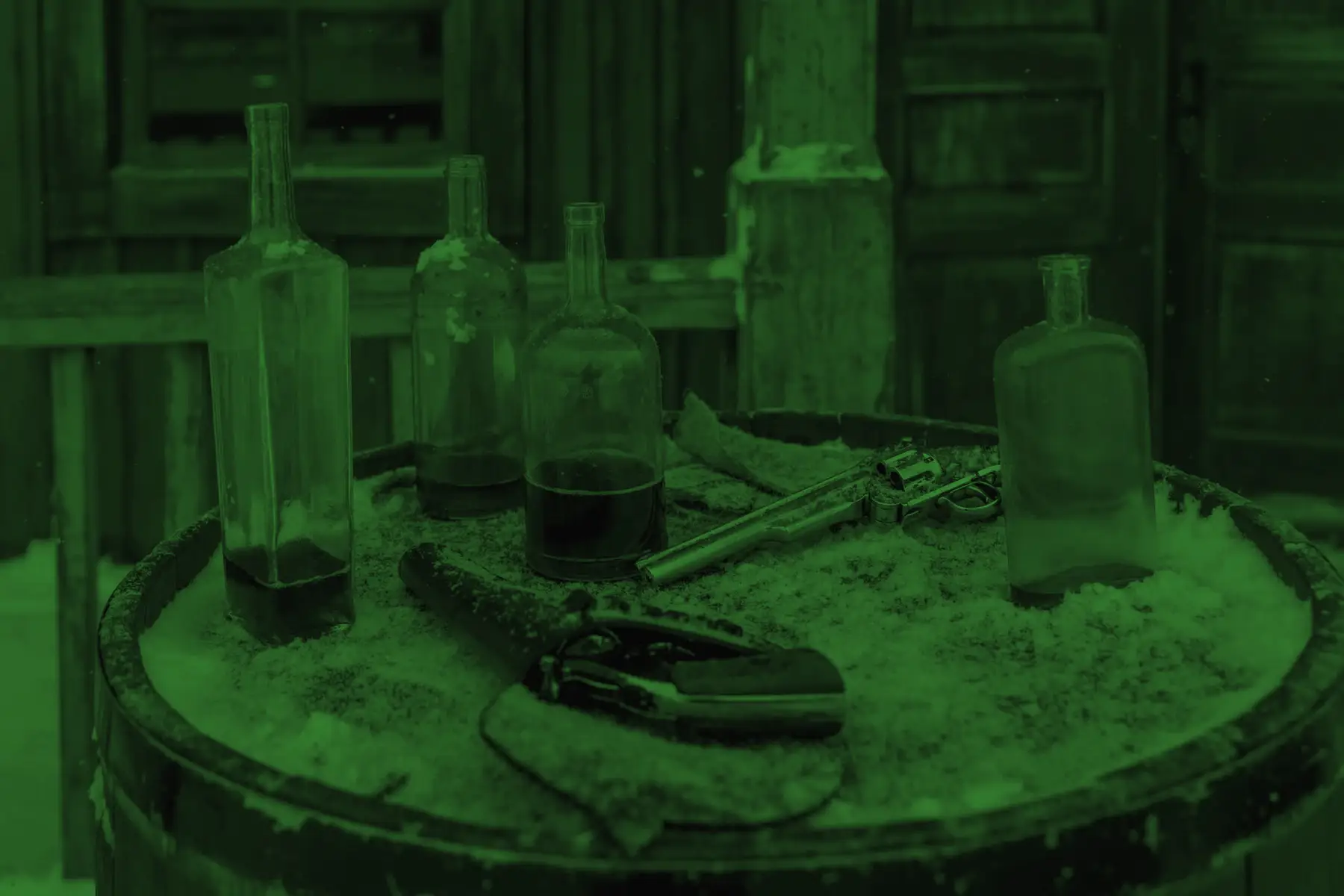
In 1880, two old Confederate colonels and 30-year friends fought a legal duel over a penciled note. One died, and the killer walked free twice.

Mar 21, 20251h 39m
00:00 / 1:39:07
Or listen to this episode onApple PodcastsSpotifyYouTube
Share this episode

In this episode

  • Why the famous 1859 California duel doesn't deserve its title as America's last
  • A $10,000 debt, a blacksmith's lawsuit and the pencil note that set three families against each other
  • Fifteen paces, a starting pistol for a partly deaf man, and a salute on the dueling ground
  • Poltroon: the one-word insult that decided who was fit to fight
  • What the Shannon women said when the families proposed a reunion a century later

“If I had only seen Colonel Shannon salute me as he came on the ground, I would not have fired a shot.”

The story

A roadside historical marker in Lee County, South Carolina, at the intersection of Hartsville Highway, US 15 and Ashland-Stokes Bridge Road, marks the spot where one man killed another. It wasn't murder, not exactly. In the summer of 1880 it was technically legal. Two gray-haired Confederate colonels who had been friends for 30 years met with pistols near the banks of the Lynches River, and only one of them walked away.

Swords at Plymouth

America's first recorded duel came barely a year after the Mayflower landed. On June 19, 1621, Edward Leister and Edward Doty, two servants of the same master, Stephen Hopkins, squared off at Plymouth with swords and daggers. Both came away wounded, one in the hand and the other in the thigh. The colony sentenced them to lie for 24 hours with their heads and feet tied together and nothing to eat or drink. Within an hour, after they begged, their master asked, and they promised to behave, the governor let them go.

History books usually crown a September 13, 1859, showdown in the woods near San Francisco as the last American duel. Pro-slavery California Supreme Court Justice David Terry aimed straight at the chest of abolitionist Senator David Broderick, who had fired into the ground. Broderick died three days later and became a martyr, and the uproar helped Abraham Lincoln carry California. But it wasn't the last duel. After congressmen from Maine and Kentucky fought one in 1838, Congress outlawed dueling in Washington, D.C., and most states followed. South Carolina did not.

Honor worth a bullet

Among the Southern gentry, honor had nothing to do with self-esteem and everything to do with society's judgment. A shamed man wasn't just disgraced. He was inferior. Words could do more damage than sticks and stones, and Andrew Jackson said it plainly: "The slanderer is worse than the murderer." The code covered only wealthy white men. Poor white men and all Black men were thought to have no honor to defend.

Colonel E.B.C. Cash was a wealthy planter whose land ran along the Great Pee Dee River, and he was nearing his 60th birthday. Colonel William McCreight Shannon was a distinguished 58-year-old lawyer in Camden. Both had served in the Confederate Army and the state legislature. In an era when life expectancy hovered around 40, they were very old men.

A note in pencil

The trouble started with Cash's brother-in-law, Robert Ellerbe, a hard drinker who lived rent-free on a farm owned by his sister, Aileen Cash. One night in 1878, Ellerbe was passing a jug of rum back and forth with his friend, the blacksmith Conrad Weinges, and they came to blows. Weinges said Ellerbe pistol-whipped him and kicked him until he passed out. He sued, saying he could no longer work, and won $2,000, about $63,000 today. But someone else was ahead of him in line for Ellerbe's nonexistent money: Mrs. Cash herself, holding a $10,000 judgment against her own brother.

Weinges's attorney, Captain Robert DePass, smelled a rat. Someone had scrawled a note in pencil in the margin of a legal summons suggesting that Mrs. Cash and her brother had cooked up the debt so the blacksmith would never see a penny. DePass's assistant counsel on the case was Colonel Shannon.

Cash took the note as an attack on his wife's integrity and his own honor. He fired off a scathing letter to DePass, and DePass accepted the challenge. Then DePass got arrested three times, because the Camden Anti-Dueling Society kept tipping off the law. Meanwhile, Ellerbe demanded that Shannon fight him. Shannon refused, so Ellerbe publicly called him a poltroon, meaning a coward. When Shannon then wrote to Cash, Cash refused to challenge him because Shannon had been branded a coward. He added that "gentlemen might, if challenged, fight his boot black," meaning the servant who shined his boots. Shannon answered with a challenge of his own.

The weird part

Two old men who had been friends for 30 years fought to the death over a note penciled in the margin of a legal summons. No one ever explained the note, and it disappeared before it ever reached a courtroom.

Fifteen paces at DuBose's Bridge

On July 5, 1880, the colonels came to DuBose's Bridge with their seconds. A second was a friend whose job was to coax out an apology or, failing that, make sure the rules were followed. The men chose pistols at 15 paces rather than the usual 10. Cash was partly deaf, so Shannon's second would start the duel by firing a pistol into the air, then count to three and call halt. Almost 100 farmers and field hands gathered around to watch.

Shannon raised his hand to salute his old comrade. Cash didn't return it. Shannon fired first, and his bullet hit the ground at Cash's feet, spraying sand into Cash's face. Cash fired between the words two and three and hit Shannon about an inch below his right armpit. Shannon stood stock still, then collapsed into his second's arms and died within five minutes. He left 14 children, the youngest still in diapers. Outrage spread past the state line. "His was the largest funeral ever seen in Camden."

Two trials and a long grudge

Cash was charged with murder and tried in February 1881. The judge called dueling a relic of barbarism and asked the jurors, "Was it one of those weak, sickly flowers that the foul breath of slander could wither?" On February 26, the jury deadlocked. At a second trial that June, Cash admitted on the stand that he'd killed Shannon. South Carolina's law made killing someone in a duel murder, and it was "as plain as the English language can make it." The jury found him not guilty anyway.

The scandal followed Cash for the rest of his life. He wrote a book defending himself and praised the man he'd once called a coward: "No braver man ever bit the dust." He told a friend that if he had seen Shannon's salute, he would never have fired. Cash died in March 1888 at 64, survived by his widow, who was also his cousin.

Shannon's death finally pushed the legislature to act. In December 1880, South Carolina made dueling a crime and required public officials to swear they had never fought a duel. That oath stayed on the books until 1954. In 1980, some members of the Shannon, Cash and DePass families proposed a reunion to bury the hatchet. The Shannon women, all in their 80s, shut it down. After all, it had only been 100 years.

The transcript

Chapters & full transcript13,683 words
Chapters
  1. 00:26A marker by the highway
  2. 00:28A brawl, a debt, a pencil note
  3. 01:51Swords at Plymouth
  4. 08:08The code of honor
  5. 26:41Fifteen paces at DuBose's Bridge
  6. 32:41Two trials and a long grudge

This transcript was generated automatically from the episode audio and may contain errors. Times are approximate, since ad breaks can shift them by a minute or two.

00:00

Hey true weirdos, we just wanted to take a minute and thank you so much for your support. True Weird Stuff has won the Best History Podcast and the Women in Podcasting Awards and we've also won a Signal Award in the Paranormal category and that's only happened because of you, our fellow strange people. Thanks. Stick around if you want after the episode for a little bonus content and conversation.

00:26

It's a blink and you'll miss it. One of those historical mile markers that dot America's highways and back roads. This one's been guarding the intersection of Hartsville Highway, US 15 and Ashland-Stokes Bridge Road in Lee County, South Carolina for more than 60 years. It marks the spot where one man killed another. Not murder, not exactly.

00:53

Well, I mean, maybe you should call it murder, even if it was all technically legal. That's the problem with technicalities. They create loopholes. Loopholes that are sometimes big enough to hold a body. Was it cold-blooded slaughter that scorching July morning? Or was it just a pair of gentlemen resolving their differences as such gentlemen used to do?

01:20

You, sir, have impugned my honor. I challenge you to a duel. And they got a small beam of light. The pilgrims had barely got settled in at Plymouth. They'd only arrived in the New World a year earlier when a pair of Edwards of the Massachusetts colony threw down in the very first recorded duel in America. Edward Leister and Edward Doty agreed to meet at dawn to settle their dispute in the most gentlemanly manner possible.

02:15

A sword fight. Both men had arrived on the Mayflower. Both were servants of the English adventurer Stephen Hopkins. Hopkins was one of the signers of the Mayflower Compact, which is essentially the very first governing document of Plymouth Colony and the New World. Yet Hopkins might have had trouble governing his own household.

02:39

The thing is, dueling was a gentleman's game. It was almost unheard of for a servant to challenge another man to a duel. And these were servants employed by the same master. Not a great look for Hopkins. Not that he cared. Stephen Hopkins ran a tavern in Plymouth where he apparently not only let men drink on the Lord's Day, he allowed his servants to drink in his house.

03:06

And God help us all to play games. What depravity, especially for a pilgrim. The grievous nature of the insult that caused the bad blood between Leister and Doty, who even knows now. But on June 19th, 1621, the two Edwards faced each other with swords and daggers at the ready. And it went as most duels did, as in both men survived, but neither came away unscathed.

03:36

Both being wounded, the one in the hand, the other in the thigh. Your pilgrim forefathers are well known for their piety, but maybe less well known for the weird sadism of so many of their punishments. The men were adjudged by the whole company to have their head and feet tied together and so to lie for 24 hours without meat or drink, which is begun to be inflicted.

04:06

Hold on now, because we're about to get a taste of something rare and special for those times. Within an hour, because of their great pain at their own and their master's humble request and upon promise of better behavior, they were released by the governor. That was the first duel fought on American soil. They'll tell you that the last duel was fought on September 13th, 1859.

04:37

That one went down in the woods near San Francisco between California Senator David Broderick and California Supreme Court Justice David Terry. The two men were beefing over slavery. Senator Broderick was an abolitionist. Justice Terry was pro-slavery. A good size crowd gathered that chilly, foggy morning, hoping this time the county sheriff would stay away and let them enjoy the spectacle.

05:05

See, the law had shut the whole thing down the day before. Now, though, the duel proceeded as planned. There was the coin toss and the selection of weapons. There was the call of fire. Senator Broderick's pistol was discharged into the ground. But Justice Terry took aim and fired directly at Broderick's chest. The senator died three days later and was reborn as a martyr for the abolitionist movement.

05:37

As for the justice, the jury acquitted him of murder, but his career was over and the man became a pariah who was shot to death 30 years later by the bodyguard of a Supreme Court justice with whom Terry had been feuding forever. The man was clearly a delightful human being. Anyway, that whole sorry and deadly duel debacle is credited with helping Abraham Lincoln win the popular vote in California and the state's four electoral votes.

06:09

And the rest, as you know, is history. But the part where they tell you that the Broderick-Terry duel was the last one fought in the United States, that's just not the truth. Now, 41 years before that fateful day in South Carolina, Congress had outlawed dueling in Washington, D.C. They had to. A year earlier, in 1838, there was a duel between a congressman from Maine and one from Kentucky, which is something a lot of us would love to see happen today to our elected officials, but was very upsetting to Americans back then.

06:44

Most states followed D.C., outlawing the practice. But there was one state that hadn't quite gotten around to it yet and wouldn't, not for decades, not until a man's blood stained the sandy soil near the banks of the Lynches River. Any fatal duel involves murder. But this was a murder so black and so wanton in view of the character of the deceased and the trumped-up issue upon which he was made to fight that public opinion, even in South Carolina, could not be blinded to its enormity.

07:29

Colonel Eller B. Boggan Crawford Cash. Colonel William McCreight Shannon. Both men had served in the Confederate Army during the Civil War. Both men had served as representatives in the South Carolina state legislature. Both were family men well past their prime when the whole duel debacle went down. You can't be faulted for thinking that here's a pair of wily old rascals who ought to have more in common than in conflict.

08:01

30 years of long acquaintance, friendship even, and it all ended with a bullet. It was a matter of honor. And honor in the antebellum and Reconstruction South was about as big a deal as anything could ever be. It was an unwritten code, one that had nothing to do with dignity or self-esteem and everything to do with the judgment of society.

08:27

A Southern gentleman of means learned almost from birth that a man's reputation was built not just on honesty, but on his complete control over his dependence and his property. Honor meant something more than pride. It was power. It was the sugary coating on an idea of masculinity that celebrated physical strength, aggression, violence even, if necessary.

08:53

To be dishonored was to be shamed and a shamed man had no place in genteel society. A shamed man was worse than disgraced. A shamed man was seen as inferior. And when it came to a Southern man's honor, forget sticks and stones. It was words that had the power to do real harm. Just ask the Southern-born seventh president of these United States, Andrew Jackson.

09:24

The slanderer is worse than the murderer. The murderer only takes the life, whilst the slanderer takes away his good reputation and leaves him a living monument to his disgrace. A gentleman was ever prepared to die in defense of his honor, which is why the practice of dueling was sort of baked into the code of honor. Ideally, a duel was a kind of theater.

09:53

The two combatants acting out a ritual meant to preserve the honor of both of them. Showing up ready and willing to die for the sake of one's pride was often enough to get the job done. But not always. Men died dueling in defense of their honor. Looking at you, Alexander Hamilton. And in South Carolina, where a man's honor was everything, the practice of dueling was still alive and well and legal long after it had been outlawed everywhere else.

10:25

The New York Times and the New Orleans Times are certainly in many respects very different sorts of newspapers. They have, however, something in common. They are both disposed to dwell upon lawlessness in the South. The New Orleans Times makes a specialty of Texas, while the New York Times is perhaps upon the whole more inclined to devote its undoubted talents to the treatment of Southern wickedness, as displayed in South Carolina.

10:59

Southern wickedness? Make mine a double. The ingenuity of the editors is quite equal to supplying the missing link between a murderous fight among a lot of drunken roustabouts on the Fourth of July and the violent intolerance of political difference, which is claimed to prevail among Southern gentlemen. The violent intolerance of political difference.

11:28

Everything old is new again. In this story, intolerance of political difference was just one part of what drove the Colonels Cash and Shannon to take dead aim at each other on July 5th, 1880. That venerable Yankee newspaper, the New York Times, weighed in. As the details of the duel between Colonel E.B. Shannon are gradually made public, the conviction is forced upon the popular mind that Colonel Shannon was made the victim of a most outrageous conspiracy and that Colonel Cash and his son hounded him with the express purpose of murdering the old man in cold blood.

12:19

When the slander hit the fan, Colonel Cash was a wealthy planter, the patriarch of a prominent family, his lands running alongside the Great Pee Dee River. Colonel Shannon was a distinguished lawyer in the historic town of Camden, South Carolina. Cash was staring down his 60th birthday. Shannon was right behind him at age 58.

12:43

This made them very old men for the time when life expectancy hovered around age 40. For perspective, Brad Pitt is 61 and ain't nobody thinking of him as elderly, right? So, two old men, two old Civil War vets, not the likeliest candidates for the whole pistols at dawn drama of a duel, but honor and a woman's good name were at stake.

13:12

It all started with Colonel Cash's brother-in-law, a man named Robert Ellerbe. It was said that Ellerbe was an intemperate man, which is a polite way of saying that Robert Ellerbe lacked self-control, mouthy, impulsive, fond of a good drink or 10, and casual when it came to money. So, it won't be a huge surprise to learn that he had money troubles.

13:39

Troubles his sister, the wife of Colonel Cash, tried to ease by letting her hot mess of a brother live rent-free on the farm she owned. One night in 1878, Robert Ellerbe was rip-roaring drunk, stumbling toward home with a jug of rum strapped to his back. And there was his good friend, the blacksmith Conrad Weinges. The two men passed the jug back and forth, getting louder and drunker.

14:10

And in an instant, the mood shifted like it can. And suddenly Ellerbe and Weinges were pummeling each other. Ellerbe later claimed that Weinges charged at him, brandishing a hot poker. Weinges was like, liar, liar! His story was that Ellerbe pistol-whipped him, threatened to shoot him, and then savagely kicked him until he lost consciousness.

14:36

Weinges woke the next day with a monster hangover. A hangover that lasted days and then weeks. After two months of misery, Weinges sued Ellerbe. Weinges alleged that Ellerbe's assault had left him unable to work. He wanted $5,000 in damages, compensation for his lost wages. A judge heard the case and ruled in Weinges's favor, but only awarded the blacksmith $2,000, which was still a good payday back then, equivalent to about $63,000 today.

15:11

The problem was Weinges would have to get in line for the money because there was another judgment against Robert Ellerbe that would have to be paid first. A judgment in the amount of $10,000 owed to Mrs. Aileen Cash. That's right, Robert Ellerbe's sister and the wife of Colonel E.B.C. Cash. Since Robert Ellerbe apparently didn't have a dime of his own, the chances of any debtor being paid wasn't great.

15:45

But Weinges's attorney, Robert DePass, smelled a rat. He was suspicious of this alleged $10,000 debt owed to Ellerbe's sister. There was a note found scrawled in pencil in the margins of a legal summons that speculated that Mrs. Cash had cooked up a scheme with her brother to make sure that the blacksmith never saw a penny of that $2,000 settlement.

16:14

And guess who served as DePass's assistant counsel in the case? That would be Colonel William M. Shannon. Colonel Cash might have been willing to toss his wastrel brother-in-law to the wolves. But this insult to his wife? Oh, hell no. Oh, no. This attack on her integrity, this assault on Colonel Cash's honor? Intolerable.

16:43

Unacceptable. Colonel Cash sat down at his desk and wrote what was, for the time, a scathing letter to the blacksmith's attorney. Sir, you charge Mrs. Cash with fraud. Your whole management of the case clearly shows that you did mean to impute fraud to Mrs. Cash. I suspect that your object in withdrawing the most offensive expressions in the original summons was to shirk a responsibility you had not the courage to meet.

17:17

And now feel free to act in the matter. And while neither of us claim for myself or acknowledge for you there is any social equality between us, I demand of you redress for the false imputations you have made against the character of Mrs. Cash. And here comes the response from Attorney Captain Robert DePass. Sir, I take the earliest practicable opportunity of replying.

17:50

Your note is couched in language unwarranted by the code of honor among gentlemen in that it conveys an insult and could most properly return it to you. But I waive this and will readily accord you the satisfaction you demand. My friend, Dr. E.B. Laguerre, will arrange with your friend, Mr. E.B. Sanders, for a meeting.

18:13

See how DePass point blank called out the code of honor? See how it was a real thing, a real fact of life for these men? Oh, and by meeting, DePass didn't mean a meeting. He meant violence. He meant a duel, which explains why both DePass and Laguerre were arrested before any of the parties had a chance to make good on their threats.

18:38

What did Cash do next? He published all of the correspondence between himself and DePass and added this bit. It was my purpose to have cowhided Captain DePass for the course he had pursued towards me, and I only condescended to challenge him at the urgent appeal of personal friends. They were an error and have caused me to blush with shame unintentionally at the course I have adopted. I am now sick and disgusted and have abandoned the chance to offer my pistol case in exchange for a horse whip.

19:15

Lord, what a bunch of drama kings these men were. Also, what in the world is Cash even talking about? DePass responded by publishing his own pissy rejoinder, a lot of which was spent arguing about where this meeting slash fight slash call it what it really was. A duel should take place up the road on the Georgia frontier, just over the border into North Carolina.

19:41

DePass once again trotted out the code of honor. And why did Cash, when I had been thrice arrested without fault of mine, refuse to wait until I could be relieved from liabilities, which would have seriously embarrassed my family in the event of my death? When he himself, under a frivolous pretext, for it is nothing more, deferred the challenge for nearly seven months after the alleged offense, and thereby entitled me, under peremptory rule of the code, to take twice that long to respond to his demand.

20:16

I can certainly smile most complacently at all his scurrilities until he gives a satisfactory answer to these questions. And explain his conduct. Colonel Cash insisted that he had nothing to do with DePass being arrested. Three different times, as it turned out, DePass hotly refuted that, even though it was the Camden Anti-Dueling Society that made sure the law knew of DePass's deadly plans, because pretty much everyone knew, and was avidly following the entire scandalous thing.

20:50

But DePass was beside himself, convinced that Colonel Cash was the instigator. Are you confused? Like, why is Cash coming so hard at DePass when we already know that when the duel finally went down, it was Colonel Shannon facing Colonel Cash at the Lynches River? Yeah, same. Us too. But while Cash was insulting DePass, drunken brother-in-law Robert Ellerbe was harassing Colonel Shannon with letters of his own.

21:22

Ellerbe accused Shannon of slandering his character, and then basically lying about it, so as to avoid having beef with his old pal, Colonel Cash. Then Ellerbe informed Shannon that he'd best expect a visit from a friend of his to make all the arrangements necessary for Shannon to face up to the damage that he'd caused Ellerbe's honor.

21:45

Colonel Shannon was livid. Sir, I am in receipt of your note. The ground upon which you make your demand is entirely without foundation, in fact. I, therefore, while shirking no responsibility, deny your right to call me to account. I deny your right to call me to the field of honor on any account, and decline your invitation.

22:22

Your language, intended to be offensive, it makes no impression on me, nor will it on anyone who happens to know us both. Oh, Robert Ellerbe was out of his mind with fury at this. Sir, you deny my right to call you to account to any statements made in certain proceedings in court. You also deny my right to call you to the field of honor on any account, and decline my invitation to fight.

22:59

You are one of those unenviable men who insult gentlemen, and then refuse to account to them the usual satisfaction that brave men award to those who consider themselves aggrieved. Your refusal to fight leaves me no alternative than to denounce you as a paltrune and coward, and hold you up as an object of contempt to all brave men.

23:31

Robert Ellerbe, you did not just call Colonel William Shannon a paltrune. Ma'am, I did, and a coward. So here's where things stand. Shannon told Ellerbe to piss off that he wouldn't lower himself to duel the man. DePass was ready to duel, but kept getting arrested. And then came the fateful exchange between Colonel Cash and Colonel Shannon.

24:01

The first letter was addressed to me by Colonel Shannon, in which he intimated a desire to fat me. I declined to challenge him on the grounds of inequality, he having been denounced as a paltrune and a coward by Captain Robert G. Ellerbe. But I took the ground that gentlemen might, if challenged, fight his boot black.

24:27

Y'all, the magnitude of this disrespect cannot possibly be overstated. Cash basically spit in his old friend's eye and called him a weasel right in front of God and everyone. I replied on June the 27th with a challenge. Arrangements were made for a fight at DuBose's Bridge on the 5th day of July, between the hours of 1 and 2 o'clock.

24:56

All of this over a note scribbled in pencil in the margins of a legal summons, a note that was never really explained, a note that kind of disappeared before ever making it to court. But the code of honor. Colonel Cash had his wife's integrity to protect. Colonel Shannon had his entire reputation as a gentleman on the line.

25:24

And Robert Ellerbe, having masterfully executed the old, lets you and him fight maneuver, had a bottle of rum, one go and drink itself. And Mrs. Cash, accused of fraudulent dealings on behalf of her brother. Indulge me, won't you? As I should like to offer you the words of Mr. Thomas Roderick Dew. Southern women derive their power not by leading armies to combat, or of enabling her to bring into more formidable action the physical power which nature has conferred on her.

26:03

No, it is but the better to perfect all those feminine graces, all those fascinating attributes which render her the center of attraction, and which delight and charm all of those who breathe the atmosphere in which she moves. And in the language of Mr. Burke, would make 10,000 swords leap from their scabbards to avenge the insult that might be offered to her.

26:29

By her very meekness and beauty, does she subdue all around her. July 5th, 1880. The two old Confederate colonels made their way to DuBose's bridge, each accompanied by his second. The seconds in a duel were supposed to do their very best to diffuse the conflict, and ideally, to prevent the duel from happening at all.

26:57

They did this by coaxing an apology from one of the parties. In the case of the colonels Cash and Shannon, their seconds clearly failed at that part of the job. Once on the dueling ground, the seconds were responsible for checking and preparing weapons, for ensuring the rules of the duel were followed, and for preventing one insulted gentleman from ambushing the other.

27:24

The whole idea of an ambush seems very un-Code of Honor-like, doesn't it? But facing the potential of one's imminent death does have a way of kicking social graces to the curb. Cash and Shannon had agreed the pistols were to be the weapons used in the duel. The combatants also agreed that 15 was the number of paces each man would take before commencing.

27:49

This was unusual, since the standard number of paces in a duel would be 10. But these were experienced marksmen, so perhaps the extra five paces was an acknowledgment of their skill. The signal to start would be the discharge of a pistol fired into the air by Shannon's second. This was in deference to Cash's partial deafness.

28:13

In addition to the starting pistol shot, it was decided that Shannon's second would also shout out a count of three and then call halt, after which it would be grossly dishonorable for a gentleman to fire another round. As the men made their grim preparations, a crowd was gathering around them. Farmers and field hands.

28:38

Eventually, almost 100 people ringed the dueling ground, watching and waiting. Just before the duel began, Colonel Shannon raised his hand in a salute to Cash, a respectful gesture from one Confederate veteran to another. But Cash didn't return the salute. Colonel Shannon fired first. His bullets struck the ground at Cash's feet, kicking a stinging spray of sandy soil right into Cash's face.

29:12

Colonel Cash fired. And despite the sand in his eyes and the cloud of thick gunpowder smoke, his aim was true. The lead ball whined through the sticky summer air, hitting Shannon about an inch below his right armpit. It was only a moment, but it seemed to last an eternity. An eternity of Colonel Shannon standing stock still.

29:41

And then, his weapon sliding from his hand, Shannon collapsed into the arms of his second, blood flowing from the fatal wound. The sand thrown in my face. At the time, I thought I was shot. I fired between the words two and three. There being a distinct pause between my shot and that of Colonel Shannon. He staggered and was caught by his friend.

30:10

And I am informed, died within five minutes. I was taken from the ground by my second. Colonel William McCreight Shannon. Veteran. Attorney. Father of 14 children. The youngest still in diapers. Lay sightless on the ground, dead, but with his honor intact. The crowd of spectators watched in stunned horror and shock as Shannon's companions gently wrapped the man's body in a blanket and placed it carefully in the back of a wagon for the return trip to his home in Camden.

30:54

He who was sinned against lies dead with a bullet through his noble, generous heart. Colonel Cash had it for home as well, thinking the matter was settled. Shannon's death was an unfortunate outcome, of course. But Cash's honor must be and had been satisfied. The code of honor demanded it, as any gentleman clearly understood.

31:22

Cash couldn't have been more wrong. The news of the duel and Shannon's death spread town to town, county to county, jumping the state border of South Carolina and igniting a firestorm of rage and disgust. Surely two men of their caliber ought to have been able to settle their differences in a more civilized manner. They were gentlemen, for God's sake, not lowborn barbarians.

31:49

Oh, wait, what was that? Wait, wait, you didn't know? See, the code of honor applied only to men of privilege, since poor white men and all black men were thought to have no honor to defend. The drumbeat of outrage grew louder by the day and eventually forced the law to take action. After a coroner's inquest, Colonel Ellerby Boggan Crawford Cash was charged with murder in the death of Colonel William Shannon.

32:24

Great indignation has been manifested by all classes of our people over the killing of Colonel William Shannon. Our whole people mourn his death. His was the largest funeral ever seen in Camden. Colonel Cash stood trial for murder in February 1881. He offered no defense on the grounds that the duel had been fair and just, and therefore no crime had occurred.

32:57

Judge Presley delivered his charge to the jury. There was no doubt of the fact that the people of the United States were descended from barbarous races. The jury had a duty to perform, and men performing it had no right to regard the uselessness of laws or the tolerance heretofore, given the practice, the duel, which he regarded as a relic of barbarism.

33:22

The judge asked, what was honor? Was it one of those weak, sickly flowers that the foul breath of slander could wither? The jury could not stain their souls with crime because others had done so. The very next day, February 26th, the jury announced that they could not agree upon a verdict. It was a mistrial, and Cash walked free, but his legal ordeal wasn't over.

33:54

Just a few months later, in June 1881, Colonel Cash was tried a second time for the murder of Colonel Shannon. The statutes of South Carolina make the killing of a person in a duel murder. The law is as plain as the English language can make it. Cash took the stand and admitted that he killed Shannon. The jury took the usual oath to well and truly try, according to the law and evidence, and yet they found a verdict of...

34:29

not guilty. Nothing surprising to see here. Just one more instance of the status quo protecting its own. The coat of honor flexing its muscles. For Colonel Cash, though, the damage to his reputation, the scandal of not one but two murder trials, dogged him for the rest of his days. He never stopped defending himself. He even wrote a book about it.

34:53

In an extra sanctimonious touch, Colonel Cash liked to brag on the sterling character of the man he'd called a coward. No braver man ever bit the dust. We are told by Colonel W.M. Pickett of Anson County, N.C., who is a lifelong friend and a distant relative by affinity of Colonel E.B.C. Cash, that he heard the colonel say that the sharpest sting in his bosom, relative to the Shannon trouble, was that he failed to recognize the salute that Colonel Shannon gave him as he came on the dueling ground to settle the grievance.

35:36

Here is Colonel Cash's private declaration to me on several different occasions. If I had only seen Colonel Shannon salute me as he came on the ground, I would not have fired a shot. But would have advanced and said, gentlemen, I am an experienced pistol shot, which I know Colonel Shannon is not. And seeing from his salute that he doesn't come on the ground with venom in his heart towards me, I now propose a settlement of the difficulty and a handshake, as I feel sure Colonel Shannon would bite the dust if shot.

36:23

The strain of constantly justifying and defending himself against an endless barrage of public criticism, coupled with his advanced age, maybe proved to be just too much for Colonel Cash. He died not quite seven years later in March, 1888. He was 64 years old, survived by his widow, Mrs. Aileen Cash, who coincidentally was also his cousin.

36:48

That sort of thing wasn't uncommon, especially in families like Cash's, where there's so much wealth and land to be protected and hoarded. His body was buried in the Cash family cemetery in Chesterfield County, South Carolina. As for dueling in South Carolina, the tragic death of Colonel Shannon pushed the state legislature to finally act.

37:13

A law was passed in December, 1880, six months after that terrible day on DuBose's Bridge, a law that made dueling a crime. And the law even went one step further. Public officials in the state of South Carolina were forced to swear an oath that they themselves had never participated in a duel. And that part of the law stood until 1954.

37:42

The Code of Honor, that unwritten mandate requiring that no offense or insult be allowed to go unaddressed, was woven so deeply into the Southern aristocracy that long after the bones of Colonel Shannon and Colonel Cash had crumbled to dust, their descendants could still hear its echoes. The past for them was more than a memory.

38:07

It was well and truly alive in the present. In 1980, some members of both the Shannon and Cash families, along with descendants of Captain William DePass, thought a reunion of all three families might be just the thing to bury the hatchet, to let go of grudges that had been festering for over a century. The reunion didn't happen, though.

38:31

Colonel Shannon's great, great grandson, William Shannon Nelson II, explained that his entire family had very strong, very personal feelings about the duel that claimed the life of their ancestor. Feelings that hadn't diminished a bit in the 100 plus years since Colonel Shannon's blood spilled on the dueling ground. But he wasn't the only one who put the kibosh on an idea of a reunion.

39:00

It was several other members of the Shannon family, women all in their 80s and not one of them in a forgiving mood. It was unthinkable. After all, it hadn't been but 100 years since the murder. Forgiveness is a seed that can take a very long time to flower. Next time on True Weird Stuff, it seems like every inch of the world has been explored and discovered and photographed and featured on the Nat Geo channel.

39:45

But there are places in this world that are so isolated, so difficult to get to. And when people do get to some of these places, terrible things happen. Sometimes those people don't ever, ever, ever come back. On the next True Weird Stuff, we're going to take you on a little adventure, a journey, an expedition into the Headless Valley.

40:13

Special thanks to our voice talents on this episode. Sam Moore, Lamar Richardson, Thom Tonetti, Kevin Nash, Carla Richardson making her True Weird Stuff debut, Don Morgan and Tripp Helms, who you didn't actually hear because we had a technical problem. And I voiced his part of Colonel Cash, but he did a great job with it.

40:34

And we're going to use you another time. And sorry, it didn't work out this time. This is a really fascinating story. And, you know, when you think about it, it really wasn't all that long ago. You know, I mean, it's really not. I mean, 1880s. It is interesting that after 100 years, there still couldn't be any sort of resolution between the families about this.

41:02

They still felt a certain way about it. It's, you know, like, I kind of understand the Shannon, the descendants of Colonel Shannon, because that man did not need to die. That there was nothing in any of this that anybody needed to die for. I mean, they were so I called them drama kings and I meant it like they were so overwrought about, oh, God forbid you insult me.

41:31

And, you know, that's still and I'm not kicking the south here. This this story is set in South Carolina, which is why we're talking about South Carolina and southerners. But that idea of, you know, a man's honor. Um, you don't have to look very far to see that still playing out now. Like, did you disrespect me? This is who you do disrespect.

41:53

Here's what I wrote down when we were doing this. This reminds me of those rap wars. They used to have the East Coast versus West Coast and all of that stuff. And so and so disrespected me and all of these all of these missives about how angry they are. They did all those in songs. Do you know what I mean? And it just it's it's it's the case of, oh, yeah, well, let me tell you.

42:19

Oh, yeah. Well, let me tell you. And it's childish and so needless. That was the other thing that I thought about with this. How needless this was. They just escalated this war of words until they this became a freight train that they just couldn't stop to stop this from happening. It was so you are so right. It was also unnecessary.

42:43

And when you look at I mean, at a time when people died in their 40s to have a couple of gentlemen, you know, 161, the other 58. Yeah. I mean, these were very old men for the time. Very old men who got out of their rocking chairs and left the porch to fight a duel. And for what? And the thing of it is so the whole thing began when either Captain Robert to pass or Colonel Shannon scrawled a little note and pencil on the margin of the summons, suggesting that the debt that Cash's wife claimed against her brother had been cooked up to prevent the next debtor in line, the blacksmith, Conrad Weinges, from collecting his settlement, that it was just some cock blocking to protect the family's wealth.

43:36

And it was a lot of money back then. You know, you hear us say like $2,000, $5,000. And you're like, well, I don't know that I want to shoot somebody over that. Well, two grand was worth $63,000 back then. These were big sums of money. But the money was secondary or maybe even in third, fourth or fifth place behind the insult to the honor.

44:00

And so I did a lot of I did a lot of reading on the Code of Honor, which was never published anywhere and handed out. But it was talked about everywhere. Like you pull up news stories from Charleston, South Carolina, back in this time period. And the Code of Honor is on every page. Well, it's a function of the Code of Honor that such gentlemen, blah, blah.

44:24

It was like everybody talked about it. Everybody agreed it was a thing. Everybody and of course, these are white people with money. Every white people with money people agreed that they would be bound by this. And it was just so interesting because it was all about my masculine pride. But your masculine pride could apparently only be soothed if it was insulted by an act of extreme violence, which doesn't.

44:52

I mean, yeah, granted, I'm in the generation that was raised by Mr. Rogers. It just doesn't seem very manly at all. Sure. I found that's how foreground it was. A well-crafted insult does the trick now. Oh, yeah, we don't need to be coming at each other with swords and sticks and guns. The other thing that I enjoyed about this particular story.

45:21

So the Civil War ended and all of these, all of the men in this story fought on the Confederate side of the Civil War. Robert Ellerbe, the drunken, no good troublemaking brother of Cash's wife, was a captain and William DePass was a captain. And of course, both Shannon and Cash were colonels. When the war ended and the business of reconstruction began, these men returned to civilian life.

45:50

And with the exception of Robert Ellerbe, who was just a hot mess, just a drunken bastard. They really set about trying to be community leaders and make their little patch of the world better. So DePass shouldn't have been involved in this at all. He was this incredibly well-respected lawyer in the beautiful, if you've never been to Camden, South Carolina, it's like a movie set.

46:17

It's so charming. It is. And now it's known for horse, equestrian stuff, horses, steeplechases, and I don't know, whatever it is people do on horse. Rich people do on horses. I don't know. But that's what it's kind of known for now. DePass was just minding his business. And he was a beloved, beloved citizen from all accounts of the town of Camden.

46:41

And for him to get his honor called out, DePass was like, absolutely not today, Satan. And he immediately threw down and challenged Cash, Ellerbe, anybody that looked at him sideways. He challenged them to duel him. But at that time in Camden, there was this society, the Anti-Dueling Society of Camden. And they were hell-bent on preventing this kind of not only needless violence, but they felt it made all of them look bad.

47:12

It made the South look bad. It made South Carolina look bad. Dueling had been outlawed everywhere. They thought it was barbaric. And so when word got out in Camden that DePass was pissed and calling for his honor to be satisfied, the Anti-Dueling Society ratted him out to the law. And that's why he got arrested three separate times.

47:37

Because the law was trying to use their power to stop DePass from potentially killing someone or getting killed in a stupid freaking duel. Are you surprised that this was a big enough problem that they had to have an Anti-Dueling Society? I mean, the fact that there was such a thing means that this must have happened pretty frequently.

48:01

It blows your mind. I mean, it really does. And like I said, you want to say that this is in the 1800s, but really it's the late 1800s. This is after the Civil War. It's not really all that long ago. The other thing is the word poltroon. Is that not so good? So it means coward because I looked it up. I was like, when you first mentioned it, I was like, I want to work this into a conversation.

48:27

But the problem is, Sherry, I don't call people a coward very often in regular conversation. So I probably won't be adding this to my vocabulary. The closest I could get is when I bring out the clippers and the cats run away. You poltroons, get in here and get your paws trimmed. I mean, I'm with you. Like, we don't live in that world where you can throw that around.

48:49

The other thing is this thing from the Intelligencer, the newspaper that Don Morgan read in this episode. Let me see if I can find it. I love this writing. Was it one, let me see if I can do a Southern accent. I'm terrible at a Southern accent. Was it one of those weak, sickly flowers that had the foul breath of slando could not wither, could wither.

49:13

The jury could not stain the souls with crime because others had done so. Now that's really bad, dude. But my God, nobody writes in a newspaper like that anymore. I will tell you that it was almost impossible for me to read those in any other voice but Foghorn Leghorn. Once in a while, the statues of South Carolina ought to make a killer and a person do a murder.

49:40

As long as place is in your thing, you can see it. I say, I say, I say, you have impugned my honor. I can't help myself because what's so funny is people, I just got an audition, a voice audition, and somebody said, can you do a Southern accent? And I went, no, I can't do a Southern accent because I sound like Foghorn Leghorn.

49:57

I sound like I'm making fun. I can't do a genuine Southern accent. Anyhow, I thought the writing on that was just wonderful and of its time. It really was. It's so over the top. That whole chapter, that whole hyper post-Civil War Code of Honor chapter is so theatrical. And the truth of it is is that dueling was also very theatrical.

50:30

That you could, the two men could meet on the field with pistols and they could have a duel and satisfy both of their honor and both walk away alive and maybe go have a drink together. The trick was, where do you point your gun? So think about the most famous duel that every American knows about is Aaron Burr and Alexander Hamilton.

50:58

You could fire into the air or you could fire at the ground or you could take aim and fire at the opponent. Burr fired at Alexander Hamilton. In the duel that we, the California duel we talked about, one man fired at the ground. The other man fired at the opponent. In the Shannon Cash, one man didn't fire at all. Or in the California duel, one man didn't fire at all.

51:26

In the Shannon Cash deal, Colonel Shannon fired at the ground and it threw the sand into Colonel Cash's eyes and he pointed his gun and fired at the chest. You could and did, most duels did not end like this. Most duels ended with a round of drinks at the tavern, not with somebody dead on the field of honor as they called it.

51:52

So it was really crappy. And there were little things in there that you needed to pay attention to that people of our time don't necessarily register. So when Colonel Shannon and Colonel Cash faced each other on that hot, sticky, unbearably human muggy July morning on the banks of the Lynches River, when those two men faced each other, Shannon sees his old friend and military colleague and salutes.

52:33

Cash claims that he didn't see the salute and he would never have fired. He would have ended the duel right there. He would not have fired had he seen the salute. The people that were present for the duel saw the salute and couldn't understand why Cash didn't return it, which was another form of, say it with me, disrespect.

52:57

Wow, you know. You see how choreographed and like, it was all like, it was all like enshrined in stone that when this happens, you must do this. Like there wasn't, they didn't have any wiggle room apparently to walk away from it without being like shamed. And so that poor man died, like for nothing. Yeah. I mean, you think about the fact that if he had seen the saluters or if he had respected the salute and said, okay, fine, we would be doing another episode of True Weird Stuff about the multiverse and the Mandela effect.

53:39

Yeah. What are you talking about this poor Colonel Shannon? It's so unnecessary. It really is. And remember, 14 kids and one of them was a baby in diapers. So he might have been an old man for his time, but he had a lot of vitality, a lot of spring in his step. There was, so this was done as a duel, but as we said before, you do see some version of this even now where two people, they get a little too much to drink and one says one thing, one says another thing, one goes in and gets a pistol out of his car or his truck.

54:19

And just because of the anger of the moment, how many of those do we read about? I mean, when we see murder portrayed on television, it always seems like this choreographed thing with the crescendo of strings and the right production and the right lighting and all of this. Most murders are these weird, hapless, needless things.

54:44

Like even with a duel. Just impulsive, like a moment of blinding rage and loss of control. And it really did become this runaway train where, all right, I've gone this far, now I have to finish it. I can't or I'm going to look dishonored. I mean, amazing. I'll say this for the Code of Honor. It's fascinating stuff. Gosh, you could only live like 10 million lifetimes and specialize in all sorts of cool things along the way.

55:19

But I'll say this for it. It created this intensely theatrical structure for resolving conflict. Now, this only really worked for white men of a certain class, right? Who had honor in the first place. But someone could grossly insult you, your family, your ancestors, whatever. And you had this whole recipe for how to resolve that without immediately going to violence.

55:55

As long as you followed all the steps correctly, which Shannon and Cash didn't. In this case, Cash didn't. Shannon was the victim. As long as you followed it correctly, you, sir, have insulted my honor. And now this is what we're going to do. And I send my guy to talk to your guy. And we agree on when and where and how.

56:17

And then we meet each other like gentlemen. And we fire those guns into the air. And our honor has been satisfied. And no one can judge us as anything less than masculine. And we can get on with it. Poor people and black people in the South did not have that option. But it did give wealthy, powerful people like a way to deal.

56:42

A stupid way that was illegal, right? Do you think that part of this code of honor is born out of the humiliation of losing the war and a way to cull some kind of dignity and say, but we are honorable? Yeah, we lost this war. You know, we failed in what we were trying to do. But we are honorable in our humiliation. And that's where this comes from.

57:13

I thought that and it's partly correct. But there's a step before that. So from what I've read that South Carolina and really like the code of honors ground zero was Charleston, which is an ancient city, an old port city, right? So the state legislature of South Carolina is in Columbia, but Charleston, that's where the wealth originally was, right?

57:45

That's where the nobility settled. The people who settled South Carolina initially were British and they brought with them all of their cultural customs. And the code of honor is actually a relic of that from what I read that was then now fast forward to your point, it just really was amplified by the loss of the American Civil War.

58:16

Because you had not only was the South defeated, but it was defeated and humiliated. And there was no real mechanism at the time to address that. Part of it, that humiliation. And, you know, you could say, and you would be correct in saying that some of what we're experiencing in this moment, 2025, politically, are those old ghosts that have never been put to rest.

58:51

The old ghosts of the country being torn apart, the old echoes of patriarchy and white supremacy, because the code of honor in the South was as fine an example of patriarchy as you're going to find. And a great illustration of what we mean when we say patriarchy hurts men too. Colonel Shannon did not need to be gunned down that day.

59:16

The man had not done a damn thing. He had done nothing, much less something like a shooting offense, right? So they brought the code of honor came to the new world, you know, in the hearts and minds of these former British subjects. And wherever you go, there you are. Just because you're in a new place, you're the same person.

59:39

You're the same people. And then it, you know, it kind of evolved and became what it became. And it's still around. People don't refer to it out loud so much, do they? As you said before, this whole thing of being disrespected. I've been disrespected my whole life. I'm going my way now. All right, it's Friday. You know, what can I say?

1:00:03

All right, fine. I'd love to just let this go. All right, great. Let me move on to the next thing. My father was such a hothead and he had these real mafia ideas, including, you won't be surprised, its own version of the code of honor, right? So he had all these real ideas about, are you disrespecting me? Do you not respect me?

1:00:27

First of all, buddy, you're contemptible. Your behavior is contemptible. I don't know who you think might respect this. But like this idea that disrespect, there could be no more terrible wound than to be disrespected. Oh, please. As my grandmom would say, try having a baby. That's so much harder, right? But it's kind of baked in this idea of respect and disrespect and what a man has to do to preserve his manhood when he's been disrespected.

1:01:00

You can see it today, and it's great granddaddy, the code of honor that took down Colonel Shannon. It's the same thing, but with less flowery language. I love that you're introducing the Mrs. Cash character into this, because I think that it's really important to have that viewpoint in it. And I love the line she has in there, by her very meekness and beauty does she subdue all around her.

1:01:35

I love that. You know, what's kind of interesting is Aileen Cash, Colonel Cash's first cousin and beloved spouse, all of Cash's wealth came from his wife and her family. So he had married into this landed Southern nobility when he married Aileen Cash. And of course, it was this implied disrespect to her that caused the whole thing to ignite and ended in Colonel Shannon bleeding out, right?

1:02:15

She is completely silent in this story. I had to go looking for her, because I couldn't believe that the person who experienced the injury that needed to be addressed has nothing to say. Well, of course, she had a million things to say. But this is 1878, 1879 in South Carolina. And a woman is best seen and not heard. So I had to go looking for Mrs. Cash.

1:02:56

And it turns out, we're gonna talk about the brains of the operation. I mean, that was her empire that she was running. That family farm that her brother Robert was living on was one of many family farms, where, you know, they had the farm and they had the labor and they were growing the goods. But they didn't necessarily live there.

1:03:17

They lived in, in her case, she lived in a beautiful home on the Pee Dee River. So the person for whom all of this drama and bloodshed is supposed to be in honor of silent. The thing that Mrs. Cash reads in this episode is a real statement about Southern womanhood from Mr. Roderick Dew, as in the dew drop on a flower.

1:03:45

And it's so interesting. Let's look at that. Let's go back and look at that part again. Because what she says when she reads that thing from Mr. Dew, I think is also still true today in a lot of places in the American South. Southern women derive their power, not by leading armies to combat, or enabling her to bring into more formidable action, the physical power which nature has conferred on her.

1:04:19

And acknowledgement, women are not weak in any way, right? She's plenty powerful, but that's not how she uses her power. She perfects those feminine graces, all those fascinating attributes, which render her the center of attraction, and which delight and charm all those who breathe the atmosphere, in which she moves, looking at you, Scarlett O'Hara.

1:04:42

And in the language of Mr. Burke, would make 10,000 swords leap from their scabbards to avenge the insult that might be offered to her. Well, there you go, 10,000 swords, or one husband's pistol. By her very meekness and beauty, does she subdue all around her. The beauty is the truth, but the meekness is the lie. The meekness is an act.

1:05:14

And every word that comes before that shows you that, that that is some bullshit. There ain't nothing meek about the Southern woman. No, I didn't get that. I didn't get that at all from her. And anybody listening to this who comes from the South, or lives in the South, knows that Southern, a Southern woman will be like, well, bless your heart, come on in.

1:05:44

Never mistake nice for friend. Yeah, you underestimate those women at your peril. You underestimate them today at your peril, and 200 years ago at your peril. Because part of that whole code of honor thing, the way that that shaped a woman's behavior was very much, you know, behind every strong man, that kind of a thing.

1:06:17

And that was Mrs. Cash. Very interesting person. Very interesting. And I'll remind you, Max, that the reason that the Shannons, Cashes, and DePasses have not yet had a reunion, who shut that down? The women in the family. The women, those Shannon women were in their 80s, and still wielding full and complete control over the family.

1:06:48

In their 80s saying, no, it's only been 100 years. I wonder if they would now, because now that's been 45 years ago. That was 100 years ago, so it's 145 years ago. If they still cared. Now, you know that the descendants of DePass, Shannon, and Cash, first of all, they're still out there, and they take a lot of pride in their family name and their family history.

1:07:18

So maybe, maybe it's time to let bygones be bygones. It would be interesting. What will be most interesting about this is to see what has been handed down from generation to generation in those families about this incident. Do you know? That to me would be very interesting to know. I would have loved, you know, we don't, there's a lot of things that we don't have the luxury of.

1:07:48

It's just us. We're constantly up against a deadline. Not complaining, it's just the way that it is. It's how it is. If this were all we did, we could have hunted down Shannons and Cashes and DePasses, and potentially gotten them to talk to us. But that's somebody's full-time job. I mean, that's so time-consuming. I mean, there's people that do podcasts where they have to pull down interviews and stuff, and you realize that to get one interview, how much time it took to be able to find the person to be able to get that done, and all of that stuff.

1:08:25

So we simply, because of our full-time job, we simply don't have enough time for that. We barely have enough time for this. For this. You'd get one episode a month if we were. Yeah. Because the other thing about The Last Stool, because it was The Last Stool, you could probably do six episodes on the Shannon-Cash situation, because there was so much to talk about.

1:08:53

There were things in there, there were little Easter eggs in this episode that were so interesting to me. It was 1880, but they were referring to Georgia as the frontier. Did you catch that? No. They called Georgia the frontier. I didn't notice that, no. That wasn't all that long ago, that Georgia was the frontier. And we know what we mean when we say the frontier.

1:09:20

We mean wild, unsettled, untamed, uncivilized. Georgia was a prison colony, I think, of the British initially. And I wonder how much of that had changed through the course of time by the time, you know, the late 1800s. Yeah, the Georgia frontier. The boundary line between North and South Carolina, the border wasn't just like a border, it was a state of mind, too.

1:09:51

Like, are we really going to go over the border into Anson County, North Carolina? Like, are we going to the moon? I mean, there were all sorts of little clues in here that tell you that it just wasn't all that long ago. This country is so, so young, so new. There's another thing in here that I really liked. And it's just the tiniest detail, and you lose it in the current of information.

1:10:20

But, so that duel that was fought in California between the California state senator and the California Supreme Court justice. That Supreme Court justice, by the way, like, not to speak ill of the dead, but he strikes me as a real tool. Because he had grievances with everyone. He ended up killing Senator Broderick, but then he himself was gunned down 30 years later by some other person that he had beef with.

1:10:52

So, remember that Senator Broderick shot directly into the ground, and Supreme Court Justice Terry fired directly at the senator's chest, killing the senator. Okay, well, when that happened, I want you to think about how all of our destiny and fate and everything sometimes hinges on the most unexpected thing. When Justice Terry killed Senator Broderick, because Broderick was an abolitionist, there was an outcry all over the country of support for this man who had been murdered.

1:11:30

He became a symbol and a martyr for the abolitionist movement. So, when we create a martyr, what happens? Now, suddenly, the people have something to rally around. There's a name and a face and a symbol for the movement. That was Senator Broderick. It caused such an enormous outrage and an enormous public uproar that it helped Abraham Lincoln win California.

1:12:05

And without California, was Abraham Lincoln going to be able to win the White House? Without Abraham Lincoln in the White House, what happens? Do we ever get the Emancipation Proclamation? I don't think so. I really think that he was that important of a figure. And look how fragile it all was. When people say, I'm not interested in politics.

1:12:34

I got to tell you, Queen, politics is real interested in you. It's in the air you breathe. None of us can escape it. You don't have to take a deep dive in it and make it your whole personality. But every aspect of your life is shaped by these political movements, big and small. And had Broderick and Terry not dueled, had that Supreme Court justice not fired into that senator's chest, we might be living in something that looks real different than the country we live in today.

1:13:06

What do you think? Yeah, there were a lot of things that were connected to the Lincoln presidency and his election and the kind of movements there were in this country at that time. It's so funny you mentioned this because I just listened to a podcast about this. The Smithsonian podcast talked about that. But I think that it was foreshadowing of what was to come in this country, kind of in microcosm, the two of them dueling over this was like, yeah, this is what's going to happen in the country.

1:13:42

This is the only way that this is going to resolve itself is by a lot of bloodshed. And the Civil War, you can take all the other wars that America has been involved with through the years, and it will not total the savage butchering that happened during the Civil War, the loss of life. All of those combined don't total that.

1:14:06

It we've, we've talked about this in other episodes when because, because America is so young, and the Civil War has left such a scar. So many American stories include the Civil War, either before or after, right? The whole push to settle the American West happened at the end of the Civil War, the spiritualist movement, mediums and seances and psychics and ghosts, all of that exploded.

1:14:38

Because of the terrible grief that this country was in, we lost 6 million people in the American Civil War. So you can't, you just can't escape it. And you can't underestimate the impact that it had. And it's one of those things like in this episode, where we see the duel in California, that should have been just a disgraceful thing, but ended up being a pivot point for history.

1:15:09

Even now, like things will happen in the world. And it'll happen and you'll feel sick inside. Because even though you can't say what the outcome is going to be, you know that you just witnessed a pivot point in history. We saw that how many times in your lifetime have we seen that? The big one that everybody will immediately vibe to is the terrorist attacks of September 11, 2001.

1:15:38

But there have been others. There have been others when you just look at it, you go, The interesting thing about the Civil War is that from the Continental Congress, up until when it happened, we were moving towards that. And since then, we are still feeling the ramifications of all those things. They haven't gone away in this country.

1:16:03

They haven't. They haven't and they won't until we deal with it. And unfortunately, it appears that we're not going to be able to deal with it without meeting each other on the dueling ground. I mean, it just really feels that way. I hesitate to share this. It was something I was reading the other night and I didn't expect to talk about it because it's not the kind of thing we would talk about on our regular show or anything.

1:16:41

But the top AI in the world was fed a series of questions. And the answers were really chilling. The questions were about could there, would there be another Civil War in America? And the AI said, yes, it's inevitable, probably within the next 12 to 18 months. So I just about fell off the couch when I read that because there's a part of you that thinks, yeah, here we go.

1:17:14

But then for me, there's always like this pumpkin headed optimism, like I'm not going to let that happen. I am optimistic. No, I don't. I don't believe that. I don't. Well, it won't look like so. The AI, I know what you're picturing, you know, the blues and the grays and, you know, 12 year olds being sent off to war with their change of clothes in a sack.

1:17:44

It won't look like that. In fact, this AI suggested that it's already underway, that the first place that we see it are these really deep divisions in America, neighbor versus neighbor, sometimes brother versus brother about ideology and all this other stuff. And what does it, what will it look like when it becomes what they call a hot war, you know, turns violent?

1:18:11

So that's just what the world's top AI had to say based on the information that it has. It doesn't mean it's inevitable because human beings are involved. And when human beings are involved, you always have this absolutely unpredictable variable of human behavior. And we don't know. But Max, to your point, we're still in, we still haven't resolved the first civil war.

1:18:44

No, we really haven't. We haven't. And to your point about, um, is the, was the code of honor a response to the South's defeat and humiliation? Yeah. Yeah. In a lot of ways. And that humiliation was never really addressed. Like when you have a fight in your family or your marriage and it's an ugly fight and it's horrible and things are said and done and, and then people find a way to heal and forgive part of that forgiveness includes reparations.

1:19:19

Now, when I say reparations, certain people are like, I'm not writing a check to anybody. There's more than one way to have reparations because the South was punished in the, in reconstruction. The South was punished for being bad, being naughty in reconstruction. And there are generations of people that have not let that go.

1:19:45

That economic punishment, they have not let that go. Abraham Lincoln didn't want that. He wanted, he, he, he, yeah, he didn't want that. He wanted the country to be united. He didn't want to punish the South. And all of that happened post his assassination. Yeah. And we have, um, kind of a, a B grade actor to thank for some of the misery that we have today, proving once again, that in America, show business is often the problem.

1:20:24

It really is. So the, so after the civil war and, and we, like, I know about as much about the civil war as the average product of the American school system does, but after the, um, civil war and reconstruction, you know, the, the South was so, um, poor and they were just economically devastated and their entire, the abolition of slavery disrupted their, that entire system.

1:20:58

And so there was a lot of economic hardship, but it's important also to point out that not every white Southerner was a slave owner, right? Oh, heavens no. But, but this is a stereotype that sometimes people don't realize that a lot of your, um, white Southerners during the civil war and after were poor as shit. They were just as poor.

1:21:20

The only advantage they had over their black neighbors was the color of their skin, which may I say was a staggering and unbeatable advantage, but still, so you had this, um, economic devastation. You had all sorts of, um, the, the reconstruction governments that cropped up in the South. A lot of them were like so corrupt.

1:21:44

And then the people who were suffering under that corruption were really resentful and, um, defiant. And, you know, you're blaming the government when it was the, like, in some ways it was the local government, right? And the reconstruction acts after the civil war. And this is the other thing that like, they don't really teach us this in school unless you major in it, I guess, in college.

1:22:12

But, um, the, the South was sort of subjected to kind of military rule. You know, they, the South was, uh, they may, they had to agree to all these constitutional amendments, which I completely support. Like I would be an abolitionist folks. Um, they had to support the 14th amendment, which made, um, their former slaves citizens.

1:22:42

Um, and those former Confederate States were not allowed to have representatives in Congress until they agreed to it. Then the 15th amendment, which gave the, their former slaves the right to vote. This was extremely, um, controversial and received with great belligerence, not by everybody, but by a lot of people. And it was a, a difficult time.

1:23:12

And if you look at America 2025, I think you can see all of that playing out everywhere. Like it never ended because, Max, it never ended. No. Not really. They never really ended. And there was, even while it was happening, um, there was like all this debate about how the Confederate States should be treated after the war and what should the Confederate States be allowed to have.

1:23:55

And what, you know, what were the, what was the federal government's responsibility to the former Confederate States? So like, now, now, now zoom all the way in and let's look at Colonel Shannon and Colonel Cash. And they had been officers in this and they were, as gentlemen, as individuals, as gentlemen, they were humiliated.

1:24:25

By it. They were humiliated. They felt that their noses had been rubbed in it. And so at the minimum, what were they going to do? They were going to prevent you from humiliating them personally. Well, the civil war was the first war that really went for infrastructure that, you know, the Shannon's March to the, uh, I mean, is that his name?

1:24:48

What's Sherman's March? Sherman's March to the Sea. I mean, a lot of that was going after railroads and infrastructure and all kinds of things like that. I mean, it was really one of the first wars that really went after all of that stuff. So it wasn't just that they lost. I mean, Atlanta was burned down. I mean, these places were just absolutely devastated.

1:25:11

Destroyed. Destroyed to, so that it, so that we could finally end this thing. That was the thinking at the time. There's a documentary. I, I saw it a million years ago. It's, it's been around for ever. It's called Sherman's March. Have you ever seen it? No. A modern. So it was done, I want to say maybe in the late 80s, um, early 90s.

1:25:37

But I watched it. I've watched it a couple of times over the years. And the documentary filmmaker, he, he's a modern guy. And he recreates, he goes on Sherman's March. He goes into every place that Sherman burned down. And you, you meet the people that live there now. And, you know, you kind of learn about what happened to their ancestors.

1:26:01

I, if you can find it, I'm not sure where you would, where you'd go to look for it. Maybe Amazon Prime. You might be able to find it there. That does sound interesting. Um, but it's, it's really, really wonderful. And you'll learn a lot. Like you'll learn a lot about what happened, um, during the Civil War and how those communities were punished.

1:26:27

And like the movie Gone with the Wind. Like they, when they were coming for Scarlett O'Hara and she was wearing the drapes. Who do you think was coming for her and why? All I can think of is the Carol Burnett show. Which she played Scarlett O'Hara. She was wearing the drapes, but it still had the curtain rod on them. If you, I think the definitive Civil War, not just Sherman's March, but Civil War is the Ken Burns one.

1:26:57

If you ever have, if you are interested in that and have never seen that, watch that. That's still, I was watching a part of that the other day. It still holds up very well. It was done over 30 years ago, but it's, it's so good. It is really, truly amazing. My, so when I first, um, my first big job out of college, I met this, uh, boy and he was, um, from a little tiny town in North, in, um, Eastern North Carolina where the old buildings still had musket balls from the Revolutionary War, like that kind of place.

1:27:35

Right. He, we were talking and, and the, we were talking about something and the Civil War came up and, and I was, I don't even know what I said. I'm, you know, going to school out West, we were all about Lewis and Clark and the Civil War got like a chapter. And he said, you know, that, um, that, that the, that's not about what you were taught it was about.

1:27:59

It was like, what do you mean? Oh, the Civil War was not fought over. It was fought over states rights. And I was like, okay. Cause this is something you'll still hear today. States rights, states rights. Well, what is it that the states wanted the right to do? Michael, slavery. Um, and he was like, it doesn't matter what they wanted to do.

1:28:21

It was just the state should have their, well, what was it that they wanted to have the right to do? Cause let's say that I'm the governor of Rhode Island and I want to put a push pin in your scrotum. Do I have the right to do that? If it's the state of Rhode Island? No. What is it that the states wanted the right to?

1:28:36

And we ended up having a pretty spirited brawl with this guy. Yeah. We ended up having a pretty spirited brawl about, um, states rights. And so you'll still hear that. You'll still hear that today. And I always like an eyebrow goes up because I'm like, well, are we going to really like, are we going to really find an, a way to be sort of okay with owning another human being as our property?

1:29:05

Are we looking to do that? Cause that's jacked up. It may have been a minor part of it, but slavery, it was about slavery. Full stop. Well, the duel between Senator Broderick and Justice Terry was about slavery, slavery, was not states rights. Broderick was an abolitionist and Terry was the opposite. And he was so pissed off that he ended up shooting the guy in the chest.

1:29:42

It's a way complex. It's a way complex. It is. I mean, it's how many complex issues can we touch upon Sherry? But here's the thing, like, cause I've had a lot of people, people love to, people love to say to me, well, you know, it's much more complex than you're making it. Oh, I know. I know there are tentacles in industry and agriculture and even in the, uh, the early seeds that were planted during the American revolution.

1:30:12

But aren't we talking about owning other human beings? Like, aren't we also talking about that? And maybe that's not so complicated. It wasn't state rights that they were talking about a continental Congress. That's not, they were talking about slavery. That's what they were talking about. And, you know, we had founding fathers that were slavers.

1:30:35

I mean, nobody likes, nobody likes to think about the gruesome things in our past. But until we address the gruesome aspects of our own history, we are just going to keep living it, which we're doing right now. Am I too optimistic to think that we, we as a country try to get it right? That we're trying to get it right?

1:31:05

Um, I'm going to sort of agree with you, but I'm gonna float something. What if Max, you and I are the product of several generations of people that were trying really hard to get it right. And they got it right enough that we were pretty comfortable and we thought the work was done mostly. And so we stopped thinking that we had any work to do because it seemed like the greatest generation had gotten that done.

1:31:41

My grandfather fought the Nazis so that I could be a liberal arts major, right? Like we got comfortable in our freedom and privilege and in our access to just all the good things. And we thought the work was done. So I don't, I'm not quite as optimistic as you are only because we have lost maybe two generations to comfort and complacency.

1:32:14

And now we've got to, we got to right the ship and that requires blood and sweat and And unfortunately, it looks like that bill is about to come due for millennials and Gen Z and Gen Alpha and boomers and Xers and Generation Jones. We really enjoyed a very comfortable time. What do you think about that? Yeah, I would say.

1:32:46

I would say that you're right, that good is the enemy of the best. Do you see what I mean? I mean, yeah. And until people get uncomfortable, they will stay in their complacency. Yeah. Which is why Stephen, Stephen Douglas. Was it Stephen Douglas? He would always say agitate, always agitate because he understood that. You know, like I think about your very hot daddy.

1:33:21

I think about your parents. By the fact of my father. Think about your parents. So, you know, I had this weird generational shift because I spent so much of my childhood being raised by grandparents who were greatest generation. And, you know, I can remember like just sitting out at the backyard picnic table with my pop up.

1:33:44

He put up a screen gazebo that he bought at Sears and a little above ground pool for the grandkids and he planted a garden. This was career military. He spent his entire life in service to the United States in the Navy as an officer. And he was very patriotic. I grew up in a house that was flags and eagles and anchors.

1:34:05

That was the decor flags, eagles and anchors. And we'd sit out on the picnic table on summer nights and we would eat ice cream. And he would talk to us about the land and the world and the freedom that was ours because of the sacrifices that had been made to protect it. And in some cases to not protect it, but to snatch it away from a fascist or an authoritarian because, you know, my pop up fought in World War Two.

1:34:37

And the message that I got as a kid was that the work had been done for me, and it was my job to be appreciative. It wasn't my job to go out and fight for it. It was my job to thank the people that had. So I'm part of the thank you for your service generation. Because I was raised in a world where my older people did that to give me a better life.

1:35:02

But now I wake up in an America where I've got a strap on and I've got to now go do the hard, thankless, sweaty and bloody work of protecting freedom. For some kids that maybe haven't even been born yet, do you not see that that's where we are? Yeah, I do. And we thought, man, we thought we were good. We thought the bills had been paid, but it turns out they're all come and do again.

1:35:38

And poor Colonel William McCrae-Channon did not need to bleed out. In that soil on that day. No. And if someone disrespects you, you don't need to bleed out either. There are worse things than being disrespected. Ask us. We work in radio. Trust me. Trust me when I tell you. Yeah, sadly. How much, Max, how much disrespect can a man endure?

1:36:07

Based on your experience as a lifelong radio veteran. A lot, Jerry. Oh, I'd say a lot. Yeah. Have you felt the need to come at anybody with pistols or swords? No. Wait, I'm sorry. Wait, let me think. Oh, it would not. It would never be a fair fight. You know, they run screaming. Yeah, you can handle a little disrespect.

1:36:31

So if you are a descendant of Captain DePass or Colonels William or Shannon. We would love to hear from you. We'd love to hear from you. And we told your ancestors story because it just shouldn't be forgotten. That's a good one. It just should not be allowed to slip away because we can learn from it, too. You know, we can learn that you can take a little disrespect.

1:36:57

And for the most part, Georgia is no longer a frontier. Especially around Atlanta. All right. So next week, we're going to pay a visit to the Headless Valley. So in Canada, there's a national park called Banff National Park that gets like seven and a half million visitors a year. But on the opposite side of the country, near Vancouver, British Columbia, that part of Canada, there's another national park.

1:37:28

And it only gets a handful, like less than 2000 visitors a year. And there's a reason for that. And after you hear this, you're going to want to go. You're going to want to go to this place. But we don't recommend it. After all, it earned a nickname, the Headless Valley. And we'll see you on the next True Weird Stuff.

1:37:52

And if you listen to us on Apple Podcasts, hit the plus button in the top right corner. And now it helps an independent podcast like ours to get discovered. And we really appreciate it if you subscribe, rate and review True Weird Stuff. Hit our website, trueweirdstuff.com for show notes and photos and videos when we have it and bonus content.

1:38:13

Everything True Weird is waiting for you at trueweirdstuff.com. And follow True Weird Stuff on Instagram. True Weird Stuff is a Now! Media production. Our executive producer is Anthony Garcia. The show is written and hosted by me, Sheri Lynch, along with my deeply weird director, Max Sweeten. Our equally odd producer is Kary Bowser.

1:38:35

Additional production by the mysterious Stephen Call. Our digital witch and social media cult leader is Heather Furr. Original graphics by Kevin Nash. Original artworks by Olivia Axland. True Weird original music composed and performed by Jack Griffin and Zane Nash. Copyright 2025 Now! Media. All rights reserved. All wrongs remembered.

One new weird tale a week.

The strangest true stories in history, in your inbox.

Unsubscribe anytime. Privacy policy.