Case file 116Cults, Prophets & UtopiasCold War (1945–79)

Nazi Farm Part 2

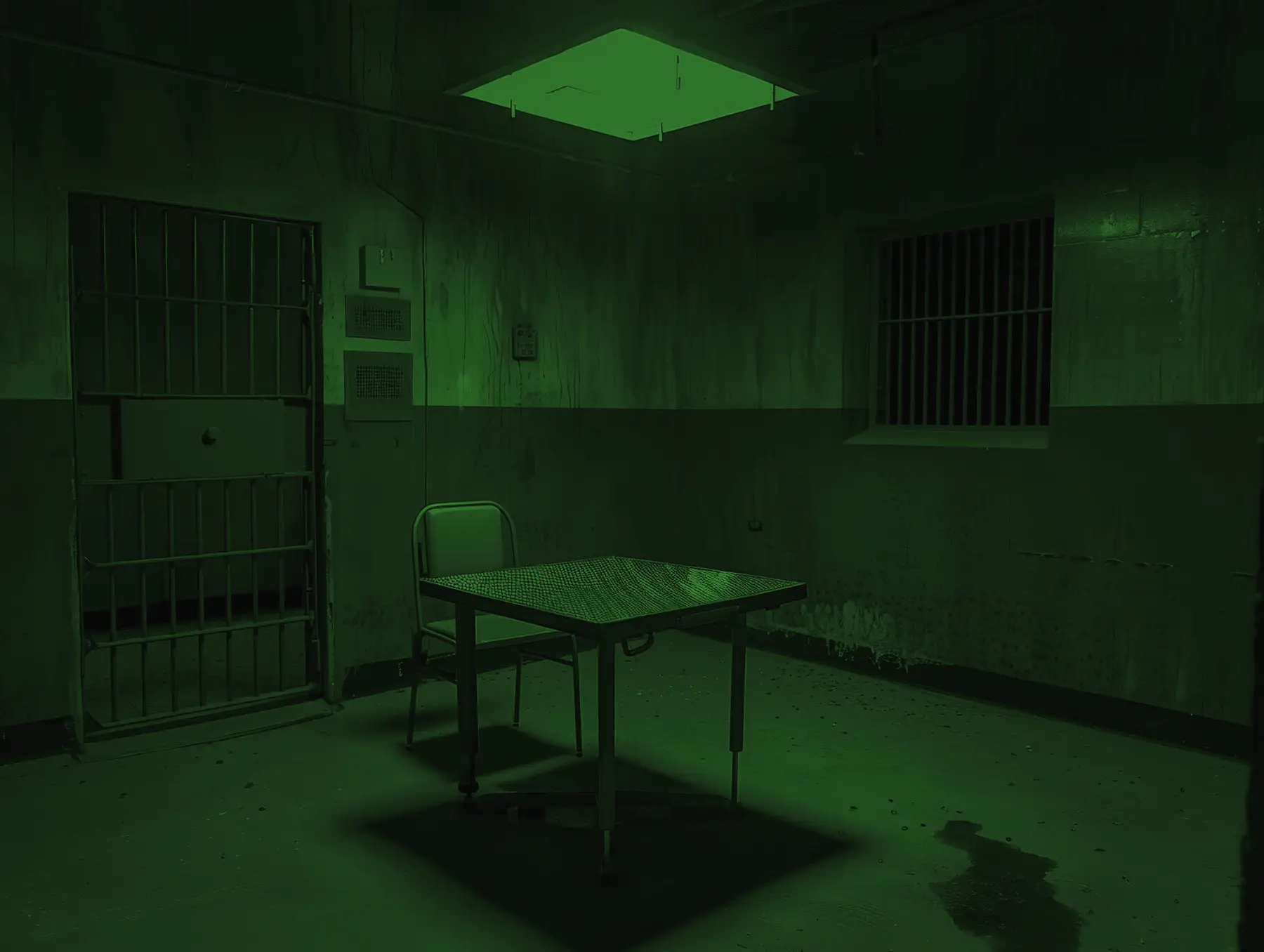
Paul Schaefer's Chilean cult became a DINA torture site under Pinochet. Decades later, it's a tourist resort. True Weird Stuff investigates.

Jun 27, 20251h 46m
00:00 / 1:45:43
Or listen to this episode onApple PodcastsSpotifyYouTube
Share this episode

In this episode

  • Why the 1973 coup that installed Pinochet landed on September 11th — the echo nobody planned
  • The one German word DINA agents used to describe what should happen to a prisoner, and what it actually translates to
  • The rumor that Joseph Mengele, the Angel of Death himself, found refuge inside the colony — and why the FBI took it seriously
  • What Chilean police found hidden under a rug beneath Paul Schaefer's own bed
  • How a death camp rebrands itself into a German beer-festival tourist town — and why you won't find it if you search the name it goes by today

“Schaefer gave Pinochet a Mercedes-Benz limousine. Guys, this is why the devil has the easiest job in the universe.”

The story

By the time Paul Schaefer's followers had spent a decade behind the barbed wire of Colonia Dignidad, they were no longer a religious commune. They were, in the words of one former political prisoner, machines. Off. On. Off. And in 1973, when General Augusto Pinochet seized power in Chile, that machinery turned out to be exactly what he needed.

A dictator's willing tool

Pinochet had long admired Nazi Germany — his favorite general was Erwin Rommel, and he'd heard the rumors about the strange German colony to the south, a place already walled off, already wired for surveillance, already full of people trained not to ask questions. In 1974 he paid Schaefer a visit and brought a gift: mining rights to Colonia Dignidad's land. Schaefer gave him a Mercedes-Benz limousine in return. It cost so little to set the machinery of an atrocity in motion.

Schaefer had more to offer than real estate. When the United States slapped an arms embargo on Chile after the coup, Schaefer connected Pinochet with Gerhard "Georg" Mertins, a German arms dealer who'd once helped spring Mussolini from prison. Tanks, guns, rockets, and the makings of biological weapons started flowing in — some of it manufactured right there in Colonia Dignidad's underground workshops.

The professor's students

Pinochet's new secret police force, DINA, was eager to round up and interrogate his political enemies, but eager didn't mean skilled. Schaefer's colony became a training ground. DINA agents came to the colony to learn the finer points of torture from a man they called "the professor" or "the teacher" — an older German with a strange accent who wasn't satisfied with basic cruelty and kept pushing his students toward something worse.

Luis Peebles, a militia commander captured after the coup, survived to describe what happened. Blindfolded, driven for hours into the countryside, dragged down a staircase and strapped to an iron bed frame, he was wired for electroshock — throat, chest, legs, genitals — and left connected for six hours at a stretch. His captors added cattle prods, needles, cigarette burns. At one point the older man with the accent, unhappy that the torture wasn't sadistic enough, drove his own fist into Peebles' groin. Eventually the torture stopped, Peebles' clothes reappeared washed and folded, and he was returned, still blindfolded, to a naval base. He had no idea, while strapped to that grate, that men and women in traditional German dress were weeding potatoes and milking cows directly above his cell.

Other survivors came forward with similar stories — women given electric shocks to the breast and vagina, a mother held prisoner for two years after coming to collect her son from what she thought was a boys' choir trip. Amnesty International published a report in 1975 naming Colonia Dignidad as a DINA torture center; Schaefer sued for libel and, for a while, the silence held.

Where the bodies went

But the colony wasn't just a torture site. Former DINA agents and colonists eventually testified to executions — busloads of prisoners driven into the hills and shot, bodies exhumed and burned years later, their ashes dumped in the river. One former DINA agent said at least 268 political prisoners died at the colony in just four years. The Germans among them had a single, clinical instruction for what should happen to a prisoner: der Tisch. It translates as "eliminate."

The weird part

Colonia Dignidad didn't just shelter Pinochet's dictatorship — it built it: colonists manufactured his regime's weapons in underground workshops, and secret police officers traveled there to be personally trained in torture by a man they called "the professor." The men strapped to electroshock racks in the basement had no idea that, in the fields directly overhead, other colonists in traditional German dress were calmly milking cows.

A boy's note, a fugitive's flight

Schaefer's downfall came not from the DINA investigations but from a note. A twelve-year-old boy named Cristóbal Parada smuggled a message out of the colony's new "intensive boarding school" to his mother: he raped me. His mother got him out, got a doctor to confirm the abuse, and got in front of Luis Henríquez, Chile's chief detective and a man Pinochet's regime couldn't buy. A warrant was issued in 1996. Schaefer vanished into the colony's tunnel network and stayed hidden for years before fleeing the country entirely, eventually resurfacing in Argentina, where he was arrested in 2005 alongside a small entourage of former colony bodyguards and nurses. Police searching his old bedroom found a trapdoor under the rug — and inside it, a cane that fired bullets and a camera that shot darts.

From torture camp to tourist stop

Schaefer died in a Chilean prison hospital in 2010, still refusing to acknowledge any of it — he even claimed, when confronted with Peebles, that he'd suddenly forgotten how to speak Spanish. The colony he built didn't die with him. It's now called Villa Baviera, a Bavarian-themed tourist resort with a beer festival, a hotel built from the old forced-labor workshops, and a restaurant in the former communal dining hall. You can rent a paddle boat. You can visit Schaefer's bedroom. People get married there. The site won't tell you about the underground torture rooms, but it does have four stars on TripAdvisor, with one reviewer noting the rooms smell a bit like cigarettes.

The transcript

Chapters & full transcript13,958 words
Chapters
  1. 05:58Pinochet's Coup and the Search for an Ally
  2. 11:45The Deal: Mining Rights for a Limousine
  3. 16:38Weapons, DINA, and Training in Torture
  4. 33:17The Note, the Arrest, and Villa Baviera Today
  5. 35:22Luis Peebles' Ordeal
  6. 52:51Executions, Mass Graves, and Amnesty International's Fight

This transcript was generated automatically from the episode audio and may contain errors. Times are approximate, since ad breaks can shift them by a minute or two.

00:00

Hey there, True Weirdos, we'd like to save a seat for you at the True Weirdos table. All you have to do to sign up is go to trueweirdstuff.com, wait for the pop-up that says sign up for updates, fill out the info, and you're in. And some lucky weirdos chosen at random are going to win a True Weird Stuff very high quality hoodie, fancy enough for wearing to a deposition, sturdy enough to wear for robbing a grave.

00:27

And I promise we won't spam you. And after the episode, we hope you'll stick around because we've got more to this story. Little bonus content, little conversation, some bloodthirsty stuff right after the episode. If you haven't heard the episode called Nazi Farm, you might want to listen to that before listening to this.

00:47

This episode is the second half of that story. Paul Schaeffer was a preacher, a pedophile, and a Nazi. In 1961, he fled his native Germany for Chile, where he founded Colonia Dignidad, a religious sect and agricultural commune, which sounds abundantly wholesome and pure and couldn't be further from the truth of the place.

01:17

It wasn't enough for Schaeffer to rule his colony like a twisted tyrant, separating the men and the women, removing the children from their parents' care, working his people's son up to son down for no wages. They were his slaves. They were also beaten, starved, tortured with electroshock in solitary confinement. But Schaeffer wanted even more from them than their freedom and their labor.

01:45

Schaeffer wanted their souls. This is the story of how a small group of deeply religious German farmers were slowly brainwashed and forced to become jailers and torturers and killers. And the late Chilean dictator, Aristotle Pinochet, had ties to a secretive Nazi enclave. According to a leaked report, the town called Colonia Dignidad was founded by Paul Schaeffer, a former medic, a former medic in Nazi Germany.

02:15

The ties were unveiled by Chilean rights group Londres 38. What we know is that there was a narrow collaboration, exchanges of information. We also know that inside the colony, there were enclosures which were part of the network of secret detention centers under the military regime. That is vertified in the documents.

02:35

We also know that Colonia Dignidad investigated, followed and surveyed secret police agents. It's always easy in hindsight to look at a man like Paul Schaeffer at a place like Colonia Dignidad and ask, how could anyone make a person like that their leader? Schaeffer was a carny and then a preacher, but the kind of preacher who couldn't seem to hold on to a job, the kind of preacher who bounced from youth group to youth group, leaving rumors and whispers in his wake.

03:37

Why would anyone follow a man like this? A Nazi grifter preyed on young boys? How did anyone think, well, here's a holy man, a man of God, a man destined to lead us out of temptation and deliver us from evil and all that? Schaeffer led 300 Germans to what was supposed to be an idyllic agrarian utopia. Instead, these pilgrims found themselves living in a fortified prison, a concentration camp where forced labor and the sexual abuse of children was their leader's real gospel.

04:14

Schaeffer created a surveillance culture. His colonists were made to confess their sins and infractions publicly. They were encouraged to spy on each other and inform on each other. There was no such thing as friendship or even family. No loyalty except to their leader, Paul Schaeffer, who was profoundly weird when it came to the whole idea of men and women living and working together.

04:44

That's why he separated married couples, why he alone dictated who might reproduce and when. Though his distaste for the whole process meant that very few babies were born at all. Colonial Dignidad would have been nothing more than a peculiar little cult isolated in the Chilean countryside, withering away as its members aged and died.

05:07

A curious and strange little footnote in history, an offshoot relic of the failed Third Reich. A mystery in some ways, but nothing more than that. But as it turned out, in transforming his community of faithful, if misguided, farmers into a locked concentration camp cult of personality, Nazi flunky Paul Schaeffer created a perfect tool for atrocity.

05:37

And just in time for the brutal overthrow of the Chilean government by a dictator. Dictatorships are fueled by violence, by the breaking of the will, the spirit, and ultimately the bodies of the people. It's a big job. And even the most monstrous men in history have never ever been able to do it alone. So when Augusto Pinochet ousted Chilean President Salvador Allende from power in 1973, he had a pretty solid conviction that Paul Schaeffer would make an ideal ally.

06:10

And Paul Schaeffer, king of his own tiny empire of oppression and human subjugation, got to have his very own field of dreams moment. If you build it, they will come. In one of those eerie historic echoes, Augusto Pinochet launched his 1973 coup in Chile on September 11th. As far as politics are concerned, Chile will have to continue being what it has always been, a democratic, freedom-loving country with freedom to worship, to think, to work, not a normal democracy.

06:50

It must be strong to repress anything which might try to destroy this idea of democracy. In Santiago, bodies floated in the currents of the Mapocho River each morning, victims of killings the night before. In all, it is estimated that more than 30,000 people were killed during the coup. Luciferous protest and open debate had been replaced by a great, fearful silence.

07:27

Allende supporters that had not been killed or captured went underground. The Chileans, like every other free people in human history who have awakened to find the authoritarian boot crushing their throats, they had no handbook on how to navigate the loss of their country. No preparation for the collective madness of being fed lies about their great freedom and prosperity even as their children went hungry and the blood of their neighbors ran in the streets.

08:05

A good way to rob people of their sanity is to make them doubt the reality of their own senses, force them to witness horrors and then terrorize them into silence, into compliance and wrap it all up in patriotic glory. Pinochet's regime lasted for 17 years, but the very worst violence, that went down in the very beginning.

09:09

The first order of business under Pinochet was to unravel and erase the Chilean people's entire understanding of how their government worked. The word is politicide, the systematic suppression, destruction really, of all political dissonance. Within days of the coup, the U.S. Secretary of State Henry Kissinger was informed that 5,000 or more political prisoners were being imprisoned at Chile's National Stadium in Santiago.

09:39

Amnesty International politely corrected that number to upwards of 7,000 people. Who were they? Pinochet called them leftists. You'd call them journalists, social workers, doctors, songwriters, engineers, citizens. It's not an easy thing to so swiftly capture, imprison, interrogate, torture, murder and then disappear the bodies of thousands of human beings.

10:09

Even the cockiest and most organized of all dictators understands that it really does take a village. And look here, here's a village purpose built, you might say, for just such a thing. A village called Colonia Dignidade. The residents there were already cowed and fearful, brainwashed into unquestioning obedience. The barbed wire was already up.

10:36

The place was already wired to prevent anyone from entering or leaving without permission. The tunnels were already dug. The underground rooms empty and ready for whatever. It was secure and it was discreet. And it was the last place anyone would expect to hear the screams of the doomed. And the man in charge? The man who loved to say that everyone has their price?

11:02

That man could be bought cheap. General Augusto Pinochet had long been a Nazi sympathizer. His favorite military hero was Nazi General Erwin Rommel, also known as the Desert Fox. Pinochet had heard the stories that there was more to Colonia Dignidade than just a bunch of holy roller farmers and suspenders. He knew that he'd have a kindred spirit in the colony's peculiar leader.

11:32

So Pinochet paid Paul Shea for a visit in 1974. And like any good guest, he brought a gift. The rights for Schaefer to mine uranium and gold. Schaefer was like, OMG, thank you, General. I have a little something for you, too. Schaefer gave Pinochet a Mercedes-Benz limousine. Guys, this is why the devil has the easiest job in the universe.

11:59

Do you see how little it takes to kick off the torment and slaughter of thousands of people? In this case, mining rights and a car. And do you know why it takes so little? Why the devil is always having a giggle down there in the eternal flames? Because there are people who want to kill and maim and destroy. Those people don't need very much incentive at all.

12:26

One of the first favors that Paul Schaefer was able to do for the Pinochet regime involved weapons. See, the United States responded to the coup in Chile by slapping an embargo on weapons imports. And Pinochet was like, that's not fair. How am I supposed to destroy this peaceful nation and its people without guns and bombs and stuff?

12:47

Am I supposed to just give them dirty looks or what? Hush now, General Pinochet, crooned Paul Schaefer. I got you. I've got the hookup. It's this guy I know back in Germany. Goes by the name Gerhard "Georg" Mertins. Real character, real tough guy. Listen, listen, back in 1943, he was part of the team that sprang Benito Mussolini from prison.

13:12

He has connections to powerful people. The kind of powerful people who share your vision, General. Let me make some calls. Gerhard "Georg" Mertins was an arms dealer who was more than happy to supply the Pinochet regime with the tools they needed to wrap their iron fist around the Chilean people. Tanks, guns, rockets, even the supplies needed to create biological weapons.

13:45

And since there happened to be an underground laboratory at Colonia Dignidad, why not get started right away? Pinochet needed what Schaefer had to offer. And Schaefer needed to be on the right side of the regime if he was to keep operating his unholy pedophile fiefdom in peace. So the deal was struck. One of Pinochet's first moves after seizing power was the creation of his National Intelligence Directorate.

14:14

The acronym is DINA, D-I-N-A. DINA was Pinochet's secret police force. It operated independently from Chile's intelligence and law enforcement agencies and was loyal only to Pinochet. It existed entirely to hunt, capture, and eliminate the General's political opposition. And when those DINA agents managed to successfully abduct these so-called enemies of Pinochet, they brought them to secret locations designed for torture and execution.

14:50

These were hidden away all over Chile. And one of them was Colonia Dignidad. The Pinochet regime declared a state of emergency, suspended Chile's constitution, disbanded the Chilean Congress, and silenced the free press. All necessary, according to Pinochet, if the country was to fend off the threat of international communism.

16:13

While Pinochet's DINA agents were filled with enthusiasm for the task of kidnapping their neighbors off the streets, mostly to never be seen again, it must be said that their enthusiasm far, far outweighed their skill when it came to real torture. No worries though, because this was an area where Paul Schaefer did shine.

16:34

One of the first favors Schaefer did for Pinochet was to welcome the DINA agents to Colonia Dignidad for training. As more and more political dissidents found themselves vanishing behind the gates of Colonia Dignidad, the DINA agents had plenty of subjects to practice on. It was teaching them how to do their job. You have to do it slowly. You have to push here.

17:00

That's Luis Peebles, well, an actor playing Luis Peebles. Peebles was one of the few prisoners to survive not just Colonia Dignidad, but the Pinochet regime. And the he he refers to as Paul Schaefer, described by Peebles as an older white man with a strange accent, which he later identified as a German accent. This older man, Peebles said, was there to instruct the DINA agents on the best practices in the art of torture.

17:30

Peebles, who'd been the commander of an anti-Pinochet militia, was removed from his jail cell at a naval base in the city of Concepcion. Bound at the ankles and wrists, blindfolded and with his ears stuffed full of wet cotton, he was shoved into a vehicle and driven deep into the countryside. Peebles knew that, he later said, because he tried so hard to pay attention to every single thing in the environment.

17:57

The fading of traffic noise, the increase in birdsong, the shift from smooth pavement to bumpy dirt roads, the smell of cow manure thick in the air. The vehicle finally came to a stop and Peebles' guards hauled him out of the truck. They bundled him roughly down a flight of stairs, down, down, down. They stripped him of his clothing, forced him onto a bed, and lashed him to the iron frame with thick leather straps.

18:28

His blindfold was yanked off, but Peebles barely had a glimpse of his captors before it was replaced with a bulky leather cap that covered his eyes and a chin strap that snugged his jaw tightly closed. The cap had ear flaps, too, and he could feel the chill bite of metal wires against his skin. More wires, then, taped all over his body, his throat and chest, his legs and ankles, his anus and his genitals.

18:58

The wires led to one of Colonia Dignidad's electroshock machines. Peebles' first electroshock torture session under Schaefer's tutelage lasted six hours, which sounds terrible enough, but it wasn't enough, not for the Dena agents in Schaefer's class. They added a few extra flourishes, like beating Peebles with an electrically charged cattle prod.

19:26

They stabbed him with needles, and whatever substance was on those needles made the man's skin itch fiercely. They smeared a sticky goo on his eyes and his mouth, and when his screams grew irritating, they poured some of that down his throat. It's the kind of work that makes a man crave a cigarette, and so they lit up, took a few drags, and then extinguished those cigarettes on Peebles' flesh.

19:53

The older man, the one with the strange accent, seemed bothered by what was being done to Peebles. Bothered by the fact that it just wasn't sadistic enough. You should also do it here! And with that, the man whipped his arm back and forcefully rammed his fist into Luis Peebles' groin. The days blurred, one to the next, and Peebles lost all sense of time.

20:24

He existed now in a fog of pain and fear, drifting in and out of consciousness, expecting to die at any moment, and sometimes unsure if maybe he already had. Was this hell? Peebles learned to ask his captors for nothing. The one time he begged for a blanket, they'd instead doused him with water. He went for days without food, his whole world reduced to an underground cell where he was kept blindfolded and strapped to a metal grate.

20:57

With no idea that above his head, men and women in traditional German peasant garb were weeding potatoes, milking cows, and bowing their heads in reverence to the man they called permanent uncle, Paul Schaefer. Peebles had no way to keep track of the days, no way of knowing how long he'd been in that underground cell.

21:21

He just knew that one day, the torturers stopped coming, and then his clothing reappeared, washed and folded. With no explanation, he was again blindfolded, led to a vehicle, and returned to the naval base in Concepcion. The Chilean authorities eventually released Luis Peebles, and the man fled the country for Europe.

21:45

The rumors that an odd little German farm commune in Chile was somehow working with the Pinochet regime eventually made their way to Peebles. And the more he heard, the more convinced he was that Colonia Dignidad was the place in the countryside where he'd been held and tortured. Peebles went to the German chapter of Amnesty International with his story from The Guardian in March 1977.

22:13

Further evidence about the German camp in Chile, reportedly used as a secret torture and internment center, will be released. Amnesty International's document on the camp, Colonia Dignidad, allegedly run by 250 West German citizens. Now, Luis Peebles wasn't the only victim to survive the hell at Colonia Dignidad, and he wasn't the only one talking.

22:40

A woman who did not want her name to be revealed gives a detailed description of her arrest by the DINA, the Chilean secret police, and of the way she was tortured at Colonia Dignidad, an agricultural settlement 300 miles south of Santiago, run by the leader of a German religious sect who is wanted by Interpol in connection with charges of sexual abuse of young girls.

23:04

And that last detail was incorrect because Paul Schaefer preyed on young boys. A Chilean worker, Eric Zott, who will give evidence, was arrested in 1975 and tortured during interrogation at the German colony, saying, every time I refused to speak, I was given electric shocks. During interrogation, water was poured over his naked body to increase the effect of the electric shocks.

23:31

Female prisoners at Colonia Dignidad, they were treated every bit as harshly. The woman described how she was tied to a bed frame and given electric shocks in the breast and vagina. She was kicked by the guards who shouted insults at her. She also said she once heard a group of men who spoke only German among themselves and were obviously in a position of authority.

23:54

They discussed the methods of torture being used at the colony. As reports of the terrors being perpetrated at Colonia Dignidad were slowly being revealed, other people came forward with their own stories. Like a mother whose son had been snatched away to Colonia Dignidad in 1965. She thought the boy was going to Copenhagen with Schaefer's Boys Choir.

24:19

According to her testimony, when she went to the camp to collect her son, she was held prisoner in a tiny room for almost two years, classified as insane by the colony's doctor, and was drugged as well as given electric shocks. In 1975, the West German branch of Amnesty International published a 60-page pamphlet called Colonia Dignidad, German Model Farm in Chile, Torture Center of the Dina.

24:48

Paul Schaefer immediately sued for libel, but the dam of silence he'd managed to erect around his little kingdom was starting to crack. There have also been charges over the years that the colony is a way station in the South American Nazi underground, where war criminals wanted by German, Israeli, or other authorities are allowed to hide.

25:13

A Chilean who visited the colony said he was told by Ursula, a nurse in the colony's ultramodern hospital, that doctors there were expert in performing plastic surgery. The South American Nazi underground. Nazi hunter Simon Wiesenthal said that he had evidence that Joseph Mengele, the Third Reich's infamous Angel of Death, had lived in the colony for a time last year.

25:43

The FBI had similar information. Which might sound like a conspiracy fever dream, but... Colonia Dignidad was a heavily fortified property close to the Argentine border with its own airstrip and communication systems. It was pretty much agreed that entering the colony or leaving without having to navigate customs would be easy enough to do, provided, of course, that Paul Schaefer gave his blessing.

26:14

Many Chileans, as well as diplomatic observers, say that the colony is virtually a state within a state. Protected over the years by successive Chilean governments. Either because of the country's influential German community, which contains many Nazi sympathizers, or because of the colony's political affinity for the current right-wing military government, which takes the attitude that the colony is located on private property.

26:48

Unless there is a problem, it should not be entered by police. One bloody hand washes another. Isn't that what we're talking about? Only the most trusted members of the colony are allowed to leave. And then, apparently, only in groups. Only carefully selected outsiders are allowed inside its well-protected perimeter. And only for prearranged visits.

27:17

Even the locals who received care at the colony's hospital understood that there was far more to colonia dignidad than just farming. One Chilean, who spent three nights there, said he had uncovered microphones hidden in his room, which his hosts explained were there to anticipate his needs. He also said he was followed wherever he went, and was not allowed to have spontaneous contact with members of the sect.

27:50

The sect. Because, while permanent uncle Paul Schaefer was insistent that this was a religious community... Whatever religious affiliation or basis the group might have once had in West Germany seems to have disappeared since it was transplanted to Chile. One diplomatic observer said, the religious and social aims of this group are very uncertain.

28:18

It is all very strange. Colonia dignidad was far more than just a commune, and far more than just a torture camp. There were the executions, something confessed by former DINA agents, one of whom testified in a German court. The man described handing over a prisoner to the man they called the professor. That's one of Schaefer's many nicknames.

28:42

The DINA agent was instructed to enjoy dinner as the prisoner was led away. Sometime later, the professor returned, large black German shepherd dog at his side. The agent told of how the professor made a gesture using both arms, which he believed signaled that the prisoner was dead. And it wasn't just remorseful DINA agents that were talking.

29:08

One former member of Colonia dignidad revealed to Chilean authorities that he'd also just been following orders. On Schaefer's orders, I drove a busload of thirty-five political prisoners up into the Colonia's wooded hills, and I left them in an isolated spot by the side of a dirt road. And as I drove back down alone, I heard machine gun fire echoing through the forest.

29:46

And of course, he wasn't the only Schaefer pilgrim made to serve the Pinochet regime. Another colonist spoke of how in 1978, they were forced to exhume and burn the bodies of executed prisoners, dumping their ashes into the river. Other colonists described how the lush green hills and valleys of the colony's lands were dotted with unmarked graves, prisoners who'd been brought to Colonia dignidad and never left.

30:18

But then, even its members knew better than to hope for a safe exit. Matilda's brother-in-law, Erich Stroesschein, tried hard to get in. His wife was frantic with worry over her sister and Matilda's five children. In December 1979, Stroesschein flew to Santiago, Chile from his home in Canada. He was told he'd not be permitted to see his relatives.

30:56

But Erich went to Colonia dignidad, where he was told at the locked gate that Matilda's husband was working in the quarry outside the barbed wire perimeter fence. So Stroesschein went to the quarry and waited until he finally spotted his brother-in-law, Walter Chagullis, who was dressed in a heavy woolen coat and trousers despite the scorching midsummer heat.

31:20

Stroesschein described Walter as flat, without emotion, neither surprised nor glad to see him despite all the years that had passed. Walter told him, But Matilda and the children, can I see them? Stroesschein pleaded. The answer was a blunt, No. And with that, Walter turned his back and walked away. Stroesschein's failed attempt at reconnecting with his family members at Colonia dignidad coincided with the dawning realization that this reclusive group and their authoritarian leader seemed to have a whole lot in common with another now notorious religious sect, one led by a charismatic preacher named Jim Jones.

32:12

Of course, Jones and most of his followers were dead for over a year by the time Stroesschein arrived in Chile, dead by cyanide-laced Kool-Aid in a mass murder that took more than 900 lives, over 300 of them children. By 1982, Amnesty International had succeeded in getting more former DINA agents to testify about Colonia dignidad.

32:39

One stated that in the four years following the 1973 coup that brought Pinochet to power, at least 268 political prisoners had died while imprisoned at the colony. He said that his fellow DINA agents called the man in charge the professor and the teacher. They told of how this man, an older white man who spoke German, would assess the prisoner before spitting out the command, der Tisch.

33:08

The DINA agent, Samuel Fuenzelida Polso, said he hunted down a German dictionary so that he could look up the word, der Tisch, he discovered, translates as eliminate. In 1987, their 10th year of pursuing Colonia dignidad, Amnesty International was still going after Schaefer-Hard, which encouraged others to come forward, like the relatives of a 13-year-old Chilean boy named Miguel.

33:38

His father worked as a messenger for Schaefer, who encouraged the man to enroll his boy in the colony school. Miguel soon disappeared behind the gates. Six months later, the body of his father was found lying in a nearby field. The cause of death was poisoning by insecticide. Miguel had been seen only once in all that time, and then never again.

34:04

Then there were the two German couples, founding members of Colonia dignidad, who escaped. One couple pleaded with authorities to help them recover their children, who were, they claimed, being held against their will. But it was no use, and the grieving parents who'd been granted asylum in Canada were forced to leave Chile and their children behind.

34:28

As one person familiar with the colony said, those kids were most likely brainwashed and would have refused to abandon Colonia dignidad and their permanent uncle under any circumstances. You might think that all of this negative attention and controversy would have motivated Schaefer to keep a lower profile. Nope. Colonia dignidad kept on keeping on, launching a new program called Intensive Boarding School.

34:58

This was for the local Chilean children, a chance to live inside the colony 24-7, learning its ways until age 18. Local families lined up to participate, and all seemed to be going well, until a 12-year-old boy named Cristóbal Parada somehow managed to sneak a note out of the colony to his mother. A note that read, Take me out of here. He raped me.

35:26

Permanent uncle hadn't missed a beat. But this mother wasn't cowed. She pulled off a rescue of her son worthy of Hollywood, and a doctor confirmed that her son had been sexually assaulted. She and the boy fled to Santiago, where she managed to get in front of the chief detective of Chile's National Police Force, a man named Luis Henríquez, who'd served as President Allende's bodyguard, and was there when Allende took his own life.

35:57

Henríquez despised the Pinochet regime, and was absolutely unimpressed by Paul Schaefer. Henríquez was a man who could not be bought. The truth has only one version. There are no different truths. Schaefer didn't know it, but it was this dogged police officer who would finally bring it all crashing down. In late summer 1996, a judge in Santiago issued a warrant and ordered Henríquez to arrest Schaefer on child abuse charges.

36:31

Back on the grounds of Colonia Dignidad, Permanent Uncle was happily unaware of the legal trap closing around him. He was still enjoying his little sleepover parties with his favorite boys, the ones he called the Sprinters. The intensive boarding school was humming right along. His followers were weeding crops and confessing their sins.

36:54

And then, word finally reached Schaefer. The law was coming. Sometime around August 27th, 1996, Paul Schaefer slipped into the underground tunnel system of Colonia Dignidad and disappeared, remaining hidden for months. When Detective Henríquez arrived to execute the arrest warrant for Schaefer, he brought 30 armed police officers for backup.

37:23

As the caravan crawled up the dirt road leading to the entrance to Colonia Dignidad, they were observed by lookouts who made no move to stop or question them. The officers were tense, braced for and expecting resistance. There was none. The colonos were like zombies, or maybe like robots. They were machines. Off. On. Off.

37:54

They didn't change moods like normal people. While the colonists mostly just stood there staring blankly at the Chilean police, occasionally one would come roaring to life and a scuffle would follow. I assumed that happened because we were close to Schaefer. And yet, we never did catch him. Henríquez conducted more than 30 raids at Colonia Dignidad over the next several years.

38:24

He was convinced that Schaefer had been on the property, tucked away in some corner of the compound's vast underground network. Had been. But by 1997 or 1998, escaped both the colony and the country for good. What struck Henríquez, and pretty much everything else, as so weird was the way the colonists just continued on as though Schaefer never left.

38:51

Which worked for a while, and then not so much. The colonists tried running the place in a more democratic way, but that also fell apart. Throughout all of this, Detective Henríquez continued to prowl the colony, hoping and believing that eventually, one or more of the members would crack. And he was right. In time, they did.

39:15

A handful of colonists led Henríquez to reams of files on political prisoners, to underground torture chambers, to places they said were mass graves, which had been emptied of bodies, but not of the pieces of the cars belonging to some of those political dissidents. And stockpiles of weapons. So many weapons. In 2005, police dug up three separate caches of weaponry.

39:46

Rocket launchers, surface-to-air missiles, dynamite, mortar rounds, anti-personnel mines, 92 machine guns, 104 semi-automatic rifles, masses of ammo, teaching manuals for the German language, telescopic sights, many of these weapons were vintage World War II era stuff, but the machine guns and the grenades had been manufactured right there at Colonia Dignidad.

40:18

But wait, there's more. And it's creepy. At a whispered word from one of Schaefer's followers, the police found a trap door hidden beneath a rug under Schaefer's bed. More weapons. James Bond-style weapons. A walker, capable of delivering a 1,200-volt electric shock. Walking canes that could fire a bullet. A camera that shot darts instead of pictures.

40:48

And then on Thursday, March 10th, 2005, Paul Schaefer was arrested in Argentina. A two-dozen-member SWAT team surrounded the expensive gate at Townhouse Community where he was holed up. And when cops finally got in, Schaefer was in the company of three German men and two German women. His old bodyguards and nurses from Colonia Dignidad.

41:13

He was extradited to Chile just a few days later. Schaefer was 84 years old, already convicted in absentia in Chile a year earlier for the crime of sexually abusing 26 children. And those old child sex abuse charges back in Germany, those were patiently waiting for him too. When Paul Schaefer died of heart failure in a prison hospital in Santiago in April 2010, the farm commune he'd founded and operated as a concentration camp for both his own people and the political enemies of Augusto Pinochet was still in business, just under a new name.

41:57

Colonia Dignidad is now known as Villa Baviera and that rebranding as a Bavarian village includes bizarre attempts to attract tourists with events including a Munich-style beer festival. The colony is currently home to around 150 people with perpetrators and victims living as next-door neighbors. Nothing, neither a museum nor even a commemorative plaque now reminds visitors of the horrors this place witnessed.

42:23

The place has four stars on TripAdvisor, though one review points out that some of the rooms smell like cigarettes and the elevator is unreliable. Still, the German food is tasty and the apple juice is organic. The workshops, where colonists once toiled for 12 to 16 hours each day without pay, are now part of a hotel, the communal dining hall, and maybe, call it just the briefest glimpse of their own children, children Schaefer had taken from those parents?

42:59

That's a restaurant now. Do try the house-made sausages. Rent a paddle boat or maybe a bicycle. Take a little tour. You can visit Schaefer's bedroom where so many boys were sexually abused. Hey, and how about sticking your head into the hospital? But they won't talk about the rooms where their own people were drugged, and tortured.

43:30

And, oh my gosh, would you look at that? It's a wedding! Right here, on the grounds of a former death camp. In 2006, now retired detective Luis Henríquez met and said that while Colonia Dignidad had a new name and a new mission, German village-themed tourism, the heart and soul of the place had hardly changed at all. All of these people have been mutilated in more ways than one.

44:08

They have no individual will. They have no individual power. They have no sense of sexuality. The younger ones are sending their kids to school and they're trying to be normal, but it's just another performance for them. They think only in terms of friends and enemies. In many ways, they will think of you as an enemy who is coming to stick his nose where he should not.

44:44

Try as they might to gloss over Villa Bavaria's dark past, Colonia Dignidad are confronted with it every single day. What they try so hard to forget, the world insists on remembering. Travel magazines and websites and other media that feature Villa Bavaria lean into its Nazi past, not away from it. Colonia Dignidad changed its name to Villa Baviera into the German-themed tourist resort it is today.

45:26

More than 100 people live at the site and many of them are former members of the commune and to them, it is the only home they've ever known. Although it is aesthetically beautiful with views of some of Chile's most breathtaking vistas, you should go to learn. The walls have seen sites that we couldn't possibly fathom.

45:59

It's a reminder that evil will do its best to keep itself alive and that we should always be vigilant. They say there's no such thing as bad publicity, but... Some 350 people were tortured in a secret potato warehouse on the colony grounds and about 100 were murdered and buried there, according to investigations into the regime.

46:26

The colony also became a holiday destination for Pinochet and his inner circle of officers. It was also believed to have played host to Angel of Death Joseph Mengele, Nazi fugitive Walter Rolf, who invented the portable gas chamber, is also said to have found refuge at the colony. If you're thinking of planning a trip on Booking.com, don't search for Via Bavaria.

47:03

Nothing comes up. Try searching for Colonia Dignidad instead. Ditto for Expedia. Sounds like permanent uncle's former captors and director who understands how the internet works. And for the folks who hold their weddings in this spectacularly lush and beautiful setting, at least know where you are and what has happened on the ground, and far below your feet.

47:32

And maybe watch the 2015 movie, Colonia, starring Emma Watson as a flight attendant trying to rescue her boyfriend who's being held prisoner at Colonia Dignidad. Or maybe don't, since it's not all that good and has a painfully low score on Rotten Tomatoes to prove it. The younger generation, whose parents and grandparents followed Nazi pedophile Paul Schaefer and blindly obeyed the man even as he weaponized Colonia Dignidad's violent past with what they hope can be a sustainable future in tourism.

48:11

They say that they're training their poor guides to tell the truth with the reminder that they themselves are innocent of any wrongdoing. I love to go Wandering Along the mountain trail And as I go I love to sing While I'm safe On my way Wandering Wanderer Wanderer Wanderer Wandering Wanderer While I'm safe On my way From all accounts, not only was Paul Schaefer allowed to run his own state-within-a-state prison operation, he apparently never showed any real remorse, did not even seem at the end of his life to comprehend the magnitude of his own evil.

49:11

He was sly and manipulative right up to the very end, didn't resist arrest and couldn't be coaxed even by expert interrogators into acknowledging any responsibility for the atrocities committed at Colonia Dignidad. When he was confronted with one of his first victims, Luis Peebles, Schaefer not only denied knowing the man, but suddenly found himself regrettably unable to communicate in Spanish.

49:44

A wily old Nazi, a seasoned predator, a soulless skin suit, right up to the very end. Wanderer In each constellation of blue stars he found himself. Next time, on True Weird Stuff, everybody thinks of the Founding Fathers as a bunch of, you know, velvet knee pants and powdered wig fuss budgets. But the Founding Fathers were a randy and rowdy bunch and no one was randier or rowdier than our founding fathers.

50:30

Our favorite founding father and we cannot wait for you to meet him on the next True Weird Stuff. Special thanks to our voice talents on this episode, Erin Cox, Tony Garcia, Sam Moore, Kary "Doc" Bowser, and Don Morgan. Sherry, the thing that is shocking about this story is how recently this guy was arrested just 20 years ago.

50:59

Yeah. I mean, there's an awful lot in the story of Colonia Dignidad and the fall of Chile to the dictatorship, to the Pinochet dictatorship. There's an awful lot in this story that if you're not having some uncomfortable moments, then I congratulate you on the news of the day. You know what I'm saying, Max? Yeah. It really, there's, you know, I know when we did this discussion after the episode, the part one of this episode, I just was like horrifying doesn't even begin to describe this.

51:43

Well, just about the time that I think that it couldn't have been any more horrifying. We find out this story about this Peebles and I mean, it's just, it's unbelievable what happened to this man. The thing about Colonia Dignidad is not only is it very recent, I mean, we're talking like yesterday recent. It was right in our backyard.

52:13

I mean, and by the way, it was all over the news. It was all over American TV news. Now, you and I were not old enough to be popping a cold one and sitting down in front of the CBS Evening News when this was going on. But your parents were. If your mom and dad were still alive today, we could have quite a conversation with your dad about this because I'd bet big money that your dad followed this very closely.

52:43

Yeah. Because that's the kind of man he was. I'm sure that if you were to ask him because he followed a lot of international stuff, he was really good about it. I wanted to talk and the end of the story, the fact that this has now become this sort of macabre tourist attraction. Yeah. And the fact that the people who are there are people who used to live there.

53:16

And as you said, they're trying to reconcile some of what happened there. How could you do that? How could you reconcile that? Well, let's walk it. That's the question, right? And I was surprised when I went looking for how much would a week at Villa Bavaria run me that I couldn't find it as Villa Bavaria like I'm booking.

53:42

I could only find it as Colonia Dignidad. So and the current the residents of Villa Bavaria are so pissed off about that. They are trying so hard to rebrand. But to your question of how can they be there at all? How can they even think they could rebrand it? What are we doing, folks? I have to remind you and this is hard to relate to because it's so foreign to most of our experience.

54:07

But these are the descendants of the original settlers. And one of the things that Paul Schaeffer instinctively knew he had to do was shatter family bonds. The people running Villa Bavaria today did not grow up in any way familiar to you or most of the people listening. These children were foot soldiers for Paul Schaeffer.

54:34

And their children were foot soldiers for Paul Schaeffer. So we have multiple generations of people that have lived deeply brainwashed in a cult of personality and violence. The way that they see the world is going to be alien to you and me and I think most people listening because that we don't know what it's like to grow up and live the way they lived.

55:04

We don't you know the problem with cults and boy America is vulnerable. We have a we have an episode coming up one of our listeners let me shout her out Brenna discovered something about her own family and she was like I sent us an email and she was like I fell down a rabbit hole. I think you guys might like this for true weird stuff.

55:25

I followed her so far down that rabbit hole I can't see daylight and it got me thinking about why why are Americans so vulnerable to cult behaviors. I mean it's everywhere. They're in Japan. I mean they're all over Europe. The Raelians began in France. That's an episode that we did not too long ago. But there is something in the American psyche something in our makeup that we love a charlatan.

55:54

We love a flim flam man. We love the idea of a strong a quote unquote strong man telling us that he has all the answers and that we just need to follow. And so Charles Manson Jim Jones David Koresh Heaven's Gate Keith Raniere and those are just the recent ones. And there's twin flame L. Ron Hubbard which were a man and a woman who were running effectively it was a cult.

56:30

So we're talking about how it is that the descendants of the settlers of Colonia Dignidad who are now running a German village tourist experiment called Via Bavaria. How are they doing this with a straight face? Well they're not like you or me. They come from a completely different universe of values and reality. They were they were really raised in institutional settings to be loyal to the teachings and words of Paul Schaefer.

57:01

So even though he's dead and the scandals have been revealed and Colonia Dignidad has been shown to be a death and torture camp not only for Schaefer's own people but in service to the Pinochet regime. They're over there saying hey what's up? And these are some delicious potatoes. And I think they can do that because of the way they were raised and indoctrinated.

57:32

What other reason can there be? But they know that what happened there is indeed fact. I mean that's indisputable. The torture, the sexual abuse, all of those things. And while we're talking about that the thing in the press that said that he was sexually abusing little girls it's very possible they knew that it was little boys but felt that it wouldn't feel as powerful.

57:57

They couldn't say it. So they would say it was little girls and that way people would be incensed. If it was little boys people might not be as outraged. Even today people have a hard time with that. I mean, yeah, even today there are a lot of male victims of sexual abuse and assault who are too ashamed to come forward looking at you Catholic Church scandals.

58:22

I can tell you that from experience. I know we've talked about this in previous episodes but I can tell you that from the seminary school that I went to where the abuse went on and all of the men, a lot of these young men that I went to school with they had things happen in their lives and they went to therapy and this came out in therapy and all of a sudden they started getting together and while none of them as a young adolescent you really don't want that.

58:56

You really don't want that out. And so for a lot of them it wasn't until they started talking to each other after they'd gone to therapy a little bit when their lives went kind of off the rails because of what had happened to them before that they came forward and said you need to do something about a couple of these priests.

59:16

But it wasn't until then. Well, you know what the dynamic here with the descendants of Colonia Dignidad it makes me think of two groups of people. So the German people post-World War II post-Hitler one thing that the German government and the German people did right was they did not try to hide or forget. They didn't try to develop cultural amnesia about what had happened in the Third Reich.

59:50

They took extreme ownership of it under the idea that sunlight kills everything. So and they have very clear and specific laws about what you can and cannot do with Nazi symbolism Nazi imagery in the country of Germany. The horrors of the Third Reich are taught in German schools and the mantra is never again never again never again.

1:00:19

So when you're dealing with the German people and I was lucky you know I was like around 19 and I got to spend a summer working in Munich and it was fantastic and I worked with people from everywhere but I worked with a lot of German people and I learned a lot in that time and one of the things I learned was we know about it we talk about it we take ownership of it because we're ashamed of it and because we never want it to happen again.

1:00:49

Now let me contrast that and this is probably going to piss some people off and just hold on to your shorties for a second and hear me out. We have a situation in the United States where there are people who become extremely activated in conversations about the Civil War and their response is my family didn't own slaves well I didn't own slaves well I guess not unless you're an immortal vampire Dave like you're not old enough to have been around in that period of time.

1:01:23

So it's not my problem because it wasn't my it's all of our it's our collective sin it's our collective experience as Americans and we haven't we have not dealt with it and that's why it's still here. I mean that's why it's still happening because we didn't do what Germany did. We didn't do what Germany did with anything.

1:01:50

We didn't do it with Manifest Destiny we sure shit didn't do it with the Civil War. And that was all discussed when the colonists all first got together and said we're going to break away from England and do our own thing. That was one of the things that came up at that time and that still resonates today. I mean you're right.

1:02:13

We don't I say it all the time we don't really know who we are and we don't know we don't know our own history. We have a cartoon version of it Yankee Doodle and whatnot Davy Crockett Kit Carson Daniel Boone George Washington who never could tell a lie. We've got the Schoolhouse Rock version of it. At least we have that but we have this weird thing where we're afraid that if we acknowledge the mistakes of our ancestors that somehow we're making ourselves culpable.

1:02:54

Like if it doesn't make any sense when you take one step back from it because we can't learn and grow as a species as children of God however you want to say it. I mean how can we learn and grow from the past if we refuse to look at it. That doesn't make any sense. And you know I get you get a lot of pushback from people that don't they don't want to be uncomfortable.

1:03:20

They just don't want to be uncomfortable. And like who the hell does like listen who wants to be uncomfortable. Who wants to feel like oh yick. But that's not reality. Like you can't be a child forever. We have to accept that this is part of it. A nation is always has a similarity to being humans. Nations have their flaws.

1:03:48

People have their flaws. Do nations sometimes follow the darker part of human nature. Yeah many times. Many times. Yes. And I would say as gently as I possibly can because I'm you know let me say this as gently as I can. I think if you knew more about what happened in Chile in the mid 1970s what was still happening in Chile up through the 90s and early 2000s I think you'd be looking at the world around you today with slightly different eyes.

1:04:25

How about you? Yeah I don't think there's any doubt about that. Because how about some of the uncomfortable parallels in the story that made you go hmm. How about those? Yeah how about those? There's a what happened in Chile what happened what happens anytime there are mass atrocities what happens anytime the government of a nation weaponizes the people against themselves.

1:04:52

And this is like a running theme throughout history. Right. What happens is what the writer philosopher Hannah Arendt calls the banality of evil. Regular people participating in horror to the point where it becomes just what we do. Right. And that's how regular like sticking with the Third Reich because our boy here Permanent Uncle wasn't a literal card carrying Nazi serving in the Reich during World War II literal Nazi.

1:05:28

This is how we see regular everyday German citizens who were working you know as tailors or in factories or as crossing guards how we see them becoming part of the machinery of the death camps. Adolf Eichmann was a hardware salesman. Think about that. Talk about that a little bit. Talk about the banality of evil. And I would say as a personality he had rather an opaque personality to begin with.

1:05:55

So I suppose you can sell hardware and have an opaque personality. But as we said in the previous episode given the right set of circumstances you can have people that all of a sudden rise to an occasion and what they rise to is a level of evil that is unspeakable. And that's what happened in Germany. The people that were the followers who executed all of this stuff they were looking for the right person to say I need somebody to be evil and stuff and people go yeah I'm willing to do that.

1:06:30

I'm willing to do that. I mean one of the things that I think another play that I did and I'm sorry to talk about this but I've done lots of plays I worked for a director who did lots of plays that talked about Nazism and not because he thought there was anything romantic about it. It was the idea that I played a college professor in a show called Good where I was a college professor and I kept on through the course of time making these little decisions where I go well maybe it's not that bad.

1:07:03

Well you know okay fine you know I know they're Nazis and I know there's something with the Jews but it's not that bad. And to the end of the play I'm there standing at a death camp because I am in charge of the extermination and I think that it is those kinds of little decisions that people make along the line that lead them to those kinds of situations.

1:07:27

And that's why it was one of the reasons that I really loved the play because if there's a little part of you that said this is not right you need to answer to that and have the courage to answer to it. Well this is a perfect description of what happened to the people at Colonia Dignidad. It was accelerated for them because they lost their freedom and their social and family bonds and you know they were they had no wages they had no means of escape right.

1:07:57

In order to get people to turn on each other in order to get you to turn on your neighbor it's the process is called othering. I have to pick a group of people and I have to demonize those people and that takes time and effort but it's one of those things that's like the principle of momentum. When the snowball first starts moving kind of slow it doesn't take long to pick up speed and mass and that's what happens with othering.

1:08:30

So in Germany in Nazi Germany they othered Jews and gay people and the Roma they called them gypsies which is a slur and communists and communists and labor leaders and the Pinochet regime where the people who were othered the tag they were given was leftist and language is important and it matters and so pay attention when you hear certain words and phrases being weaponized because those words and phrases have resonance deep and sometimes ancient resonance and they trigger something in people they activate people so what Pinochet called the leftists is an absolute potpourri of people like you and you and you and you a folk singer school teachers social workers hospital workers these were the enemies according to the Pinochet regime and these people were snatched off the street with no due process no warrants they were not convicted in a court of law of any crime they were snatched off the street and disappeared some of them survived it against all possible odds I have no idea why they let Luis Peebles go why they brought him back to Concepcion but some survived it but a great many were taken off the street and were never seen again and we have no idea where a lot of those bodies are you heard some of the residents at Colonia Dignidad talking about being forced to dig up mass graves create burn piles with those corpses and then dump the ashes in the river those were people that joined what they thought was a religious farming commune and now they're tasked with a horror like something out of Dante's Inferno so how do how do we get here well we get here little by little and then all at once and this recipe you want to talk about something that's the banality of something the recipe for this kind of dictatorial atrocity is so trite that you can spell out the steps and you've seen it a million times and yet here we go again right it will as long as there are humans walking this earth we will have this story play out over and over again different places, different names but the methods don't change much here's the charismatic strongman who promises a solution to all of your ills and your problems and it turns out that the cause of your ills and problems is this group of people that we're then going to demonize we're going to other we're going to render them less than human we're going to use words like subhuman and vermin and animals to describe these people and this has played out not just in the last century or this century but throughout all of human history then we're going to systematically try to destroy these people and in the process of systematically trying to destroy the mythical other we're going to destroy the entire society leaving it bombed back to rubble and then it has to rebuild rinse, repeat, rinse, repeat that's just what people do so when you see it happening again you're kidding yourself if you think the outcome will be different what's that expression Max?

1:12:18

the expression about insanity it's doing the same thing over and over and expecting different results yeah, yeah so and what happened there are so many amazing aspects to Colonia Dignidad you have to understand how desperate these poor German farmers were that they would follow this man to Chile how utterly, completely broken and desperate they were that's ingredient number one that they got on those boats because that's what they were they got on boats and went to Chile and you find the same with the people that follow Jim Jones you know, they have a very strong connection to this these were people that were desperate these were people that were searching for answers in life thought that they had found some sort of utopia with that by the way, in the previous episode the welcome song being sung by those children this happy, perky little thing and when you realize that all of those children who were singing that song later died can you pull that up while we're because the dissonance of the people's temple choir it has haunted me it really has and as we pointed out in this episode 900 people died a third of them children like if you weren't if you weren't around or old enough or paying attention if you've forgotten the details Jim Jones and they call it a mass suicide pact oh please, that was murder no, that was murder that was 900 people what I remember most about that and I'll play this here, I'll play a little of this song so these people were held at gunpoint to drink this Kool-Aid with the Jim Jones cult by the way yeah you're listening to ghosts yeah Sherry, this song became an earworm for me after we put that together because I had to do some editing when I was producing it but I hear this song in my head all day and all night and all I can think about is all of these children are dead and now think about there were far fewer children at Colonia Digni died than there ever were in this town in part because Paul Schaeffer the only dark tunnel he wasn't interested in was a vagina I mean that man was disgusted by women he was disgusted by the thought of sex with a woman he was disgusted by pregnancy childbirth, all of it oh my god, he just thought women were the absolute worst which is, in a lot of these cult things that's a weird running theme that if you're in the presence of a Catholic leader that thinks that women are tools of Satan make a note because that's something they have in common well it only seems like that there is this weird sexual component to it you saw it with Warren Jeffs now he said he's he's marrying these girls but they're all underage you did that, Jim Jones that was the sexual thing and I mean

1:16:27

that's kind of haunting because when you're doing that it's another way of control rape is not about sex it's about control and that's what this is makes you think like so, you know here we are, we're animals human beings, we're animals we're mammals, right and part of what drives us is the sex drive that drive to reproduce and if that gets warped or twisted somewhere along the way probably very early in life I mean it can really become a dark and poisonous thing you see that with Schaefer Schaefer was jacked up from a very early age and he was I mean he was well on his way to his long career as a serial abuser and pedophile before he was 20 he was locked in early, early and this is this is one of the things that these groups have in common I mean look at NXIVM look at the Keith Raniere cult what was that I mean at some point and again I hate to like make fun of what anyone believes and we're all vulnerable who knows what could happen to you what tender spot what charismatic person might could reach but you look at some of this and you go girl what like how did that sound right to you how'd that sound okay to you but I feel this way about Scientology I mean that sounds good to you that makes sense Freud would have a field day with a guy like Paul Schaefer and the other thing about Paul Schaefer and it just shows you the reality of evil regular people becoming slowly indoctrinated and then numb and then now you're committing atrocities and you can't even remember how you got here there are so many people that will know that you're terrible but they have their own ends and they'll happily use you to achieve those you saw that a lot in this story yes I mean Schaefer and Pinochet they looked at each other and one snake recognizes its own kind and happily happily prepared to sacrifice not only their own humanity but everyone else's in service of that Sherry I'll ask you a question because you've had schooling with this so you have people that are psychopaths and you have people that are sociopaths but in the situation like Pinochet or maybe even Paul Schaefer is it possible that they become so intoxicated with this power that they act as though they are a sociopath or a psychopath do you see what I'm saying or are they that way going in do they you see what I mean so it's probably like case by case but I guess if I had to argue that in front of the judge here's what I would say in order to take the first step you have to be devoid of empathy full stop in order to take that first child into the woods and rape and abuse that child you are already missing a key component of your humanity I don't see any other way and once it's like anything else once you learn to ride the bike

1:20:30

anything is possible I think that we throw the word psychopath around a lot and I know it's more common than we used to think it was that there are a lot of people that pass the measurement for psychopathy who are not violent in any way but sociopathy that's another story you have to be lacking in empathy now if we sat Paul Schaeffer down for a psych eval he might profile dark triad he may profile as a psychopath Pinochet probably would I think one of the hardest thing for regular good people because I'm with you I think that most people are okay most people are pretty good but there are an awful lot of people that aren't and boy are they energetic boy do they have a to-do list they don't sit around trying to work up enough energy to take a shower they get out and burn the fucking world down I think that good regular people cannot believe their eyes and so they make up stories to keep from having to see who a Paul Schaeffer is well that's just how he talks he doesn't really he doesn't mean it the way it sounds he's doing this to protect all of us he's in a situation where hard decisions have to get made you just don't understand how the world works like we will look at and we do this especially with people in our personal lives coworkers, neighbors, family, friends I want you to think about how many times because we both know each other's story I want you to think about how many times you basically wrote a novel defending the behavior of someone who you knew deep down had no empathy or decency how often do we see this in situations where you have religious leaders around in limousines and you go how does that square and people like I'm thinking of somebody who like mega church and some are good some are not good but it's like how do you square that because I've often wondered about that and I'm sure that people their followers I hear what they say well you know they work hard they're deserving of this or they're deserving of that well how are they more deserving of it than the guy who's doing a 9 to 5 you know I mean just because you have a gift of being able to stand in front of people and move them emotionally that seems like it's more of a responsibility and I'm always very suspicious of women of God who are living in opulence and I say I'm sorry I can't square that in my mind and that is the that is the evidence of how you were raised and the fact that you were a seminary student and you grew up believing you grew up being taught the red letter words in the Bible which are the only words that Jesus actually said and there are very many of them and you also somehow bought into it's easier for a camel to pass through the eye of a needle than for a rich man to enter heaven in some circles boy that is being spun completely differently I mean you hear phrases like toxic empathy and the value of hate and just in our country right now people are out of their fricking minds

1:24:34

in a lot of ways about something and human nature when we give our love and fidelity to another person whether it's a romantic partner or a friend or a boss or somebody we voted for to betray that feels like it feels really bad and uncomfortable because we have to question have we been hoodwinked were we mistaken did I fall in love with a facade and then here's his real self or her real self this great guy that I thought was a cool boss is a monster did I not see that was I stupid and it gets to like sunk cost fallacy where well I've been in this relationship for so long that I lose more by leaving than by staying I bought this car and yeah it seems like a lemon but I've spent so much money fixing it I'm only going to lose money if I let it go sunk cost fallacy I think that we do that in relationships and I think we do it with things we buy houses and cars I think we do it with careers like I'm miserable and chewing my own leg off but I've put so many years into this what would people think of me it's important how many conversations have you had in your life with people that have said to you yeah but I mean I've been doing this for a long time or we've been together for a long time or I've already put so much money into it how many times Max oh many times and people live with that decision for the rest of their lives they never break out of that rationalization more than anything there's some sunk cost fallacy in Colonia Dignidad and there were early on there were people who were like oh this was a mistake this was a terrible idea but guess what no passports no money no shoes right what are you going to do barbed wire and armed guards with dogs when you're leaving and how you plan to go you don't have any money to travel even if you do get out so that's why it's always good to like before you like cast like heavy judgment on why does she stay why doesn't he quit why did they not leave Colonia Dignidad you got to try to remember that by the time you're in it so much has been taken from you and part of what's been taken from you are your own internal resources you've been broken down you've been broken down to the point where you no longer trust your own senses your own ability to make a decision your own ability to interpret what you're experiencing maybe you're wrong maybe you're crazy and this is how people get caught and get trapped in these kind of cults whether they're religious or whatever this is the dynamic and we've all had a taste of it you may not have been in a cult but you've been in a relationship either at home or at a job where you felt like you had no freaking escape not an easy one right Sherry if people can be held hostage in a bank over a weekend and feel some compassion towards the people who are the captors with Stockholm Syndrome if that can happen

1:28:37

that easily then just imagine people that were put in this situation I am such a people person I love people except for the terrible ones but sometimes the terrible ones don't take their mask off until you're way in deep and that happened right Boy Sherry I have no idea what you're talking about yeah gosh we've all been there and if you haven't congratulations please go buy a lottery ticket right freaking now so you know I'm not judging the people at Colonial Dignidad I don't know what it's like to have German and Russian tanks flatten my village to nothing to lose everything and everyone and be standing there without so much a potato and then have somebody tell me hey come with me I can change your life for the better and look at all these people that are already on board what do I know what it's like to be in their shoes can't judge them even the people that are running Via Bavaria today and it's a weird ass place let me tell you it's weird there's a weird sort of children of the dam vibe to it but I can't even judge them because what do I know what it's like to be the third generation of a freaking Nazi death cult commune in the middle of nowhere what do I know what it's like to grow up in a hospital with nurses not having any idea what it means to have a mom can you even imagine I can't now I will judge the shit out of some Nazis because as we learned from the great Indiana Jones if nowhere else they're all bad they are all bad and we always have to we have to spend a couple minutes every single day privately and quietly interrogating our own conscience and our own souls this thing that I'm doing this thing that I believe so strongly let's look at this for just a second are my beliefs hurting other people do I believe in something that is actually very dark and is going to end badly for people that I don't even know unfortunately the kind of people that most need to spend a few minutes having a chat with their souls are blissfully convinced because they are they are the followers they are the people that found their charismatic guru who's going to lead them to the promised land and when the guru is that loud in your head you can't even hear your own soul or your own conscience because if you could if you did we wouldn't even be having flashes of what's going on in your own soul at least you'd get flashes of it and do you drown it out with drinks what do you do to drown that voice out that's going I don't know about this I don't know have a very good system of rationalizations in your own head for why it's all okay and the other thing that we have to remember Max when you are doing things that you may find absolutely reprehensible they are as convinced that they're righteous as you are convinced that they're not we see that an awful lot don't we because something that you have to remember and this is hard to hear

1:32:40

it's hard to say it's hard to know right it's difficult enough to get people to put their trash in a can and bring their pets in during bad weather that's hard enough and that's not a hard thing at all to put human beings into into ovens you've got to have some conviction and that conviction took time that took time to build that up first I had to break you down and then I had to fill in all those holes with something else and I had to convince you I had to convince you that this is the only way and that you are in the right by doing this only then will you follow me into hell if only people were a little harder to persuade but then this wouldn't be life this would be paradise so yeah and I know I know they're going to come for me they're going to snatch me off the street and I'm going to be disappeared for suggesting that there's no such thing as a good Nazi and also suggesting that maybe maybe we're all more vulnerable to being the bad guy than we think we are yeah yeah so let's tell the folks what's coming up and thank you for listening to this two part episode on Colonia Dignidad just kind of seemed real topical and real timely and one of the things I do when I'm writing an episode is I do an informal survey you're old enough to have been around does the name Pinochet mean anything to you because the simple truth of it is Max you'd have to be a boomer or Gen X to even have heard the name before now right so millennials were born I get so sick of people blaming millennials for stuff leave them alone their whole lives have been set in unprecedented times and for whatever reason it's a hellscape it's terrible for millennials but if you're a boomer or a Gen Xer you may be familiar with the name Pinochet like you knew it oh yeah did you know any of this I didn't know this part of it but I did know that he was a really bad guy and I knew that he rounded up all of these people like 7,000 people and had them all murdered I did know that well I asked my husband I'm like do you know about you know about Pinochet because Kevin grew up in a very news oriented family his dad had like three different newspapers delivered to the house and Kevin's been reading the paper since he was a kid so he's like yeah Chile 70s like yeah have you ever heard of a German man named Paul Schaefer and he goes Letterman no not that Paul Schaefer we covered this in the last episode how about a place called Colonia Dignidad how about that did you ever hear about a place like that and he hadn't and so my husband would have been well old enough and reading the newspaper I think to have seen a mention of it although at that point his hormones were starting to rage out of control and he probably was less interested in dictators and more interested in the first syllable of that so yeah so I asked people hey did you know there was a Nazi religious farm commune that became a death camp and today it's a tourist attraction and you can find it on booking.com and no one said yes and so I thought

1:36:42

well I think it's time that we did a True Weird Stuff episode on it because don't you want to know that a former brutal death camp run by a Nazi pedophile is now a tourist hotel under a new name don't you want to know that well you did answer a question and that was in the script you answered the question I thought to myself this must be a really beautiful place because why else would you want to go there oh spectacular yeah there are even some verbo houses that are not on the Dignidad property itself but they are in the they ring the property and I don't know who's going maybe it's not American tourists so much but they stay busy they do stay busy we should set up True Weird Stuff listeners to come can you imagine hey Tony I've got an idea for a contest how would you like to win a one week vacation for you and a guest at Villa Bavaria it used to be known as Colonia Dignidad can you imagine but again those third generation descendants when they say we are innocent they are you can't be 25 years old and working in the restaurant at Villa Bavaria today and be accused of being a goon for Pinochet that's not fair it's not fair to punish those people for that I'm just telling you it's a weird place with many weird vibes we could have done 10 episodes on Colonia Dignidad there's one man he was a big whistleblower he doesn't speak English so I couldn't really feature a lot of his interviews in here because of the translating problem it would have been difficult to listen to but he was a big whistleblower he's probably maybe in his late 60s now he was a child and he was there when Paul Schaefer was there and the horrors that look in his eyes it breaks your heart and he led law enforcement journalists government he led them to places on the property that were suspected of being mass graves and we mentioned it in the episode I don't know if you caught it but when they would take these people and disappear them to Colonia Dignidad they had these farmers that would bury the cars and so one of the things that consistently turns up when they've excavated on the property looking for human remains are cars from the 70s rusted out underground you know in some cases crushed in some cases you know tires missing or whatever does that not give you the it does that also did what the Germans the Nazis did in Nazi Germany with burning the Jews they burned the bodies in this and I thought about that as well it's horrible I mean this is the guy who in the first episode part one of this story staged a murder of Santa Claus so that the children of the colony would only be loyal to him and would think of no one being wonderful other than him there could be no magical there could only be him yeah he's I don't know what part of hell he's working in

1:40:47

maybe he's assigned to some absolutely wretched pit but yeah if there's any justice and you know I do think a lot of these folks don't even have a soul I think they got shot out into the world missing that and so maybe when somebody like Paul Schaefer dies he's just dead if you believe that there's something else something after maybe there isn't for people like this maybe they blink in and out of existence and they spend their whole time and never mistake it whether it's Hitler or Schaefer or Mussolini or Pol Pot or Pinochet and the list is so tragically long their entire lives are full of an infant who isn't getting what it wants in that moment that is their entire life they blink into existence and they blink back out and they're warm food and maybe that's the ultimate justice that we can look at the idea that there's no tunnel of white light nobody happy to see them on the other end no reincarnation not even the courtesy what are you doing?

1:42:07

I'm hanging out with my asshole buddies in hell there was this one guy that we worked with you tell me he doesn't know people in hell he does and they'd all be sitting around yucking it up so maybe that's the best we can hope for I never really thought about it much until this moment but maybe that's the best we can hope for hey asshole you're dead dead you don't even get to come back as a cockroach because even cockroaches get to reproduce and have snacks even cockroaches experience some cockroach-ian level of pleasure and joy you don't even get that alright now I'm really riled up I'm gonna go eat a popsicle and thanks to everybody that's listened this long that's all I can say you know what we'll never know unless we get a DM or something where someone goes you're right about even cockroaches have a good time that's how we'll know that's how we'll know you don't even get to be that ok so thank you for being with us on this uplifting episode of True Weird Stuff next week in honor of America's what would be our 200 isn't it the 250th this year this year no this is the 249th this year ah 49 well in honor of of that we are focusing on one of our very favorite of all the founding fathers what a rakish and devil may care and wild man this one was this ain't powdered wigs and fancy flowery language this is a man of real human appetites but he was also brilliant and brave and one of the people one of the people whose names no one knows one of the signers of those documents one of the first founding fathers and you don't know his name but you're going to wish you could hang out with him and have drinks because he's a fun guy and that's on the next True Weird Stuff thank you for being with us we'll see you next time we appreciate it if you subscribe, rate and review True Weird Stuff hit our website trueweirdstuff.com for show notes and photos and videos when we have it and bonus content everything True Weird is waiting for you at trueweirdstuff.com and follow True Weird Stuff on Instagram True Weird Stuff is a Now! Media production our executive producer is Anthony Garcia the show is written and hosted by me, Sheri Lynch along with my deeply weird director, Max Sweeten our equally odd producer is Kary Bowser additional production by the mysterious Stephen Coll our digital witch and social media cult leader is Heather Furr original graphics by Sarah Griffin and Zane Nash copyright 2025 Now! Media all rights reserved all wrongs remembered

One new weird tale a week.

The strangest true stories in history, in your inbox.

Unsubscribe anytime. Privacy policy.